
 EN
EN
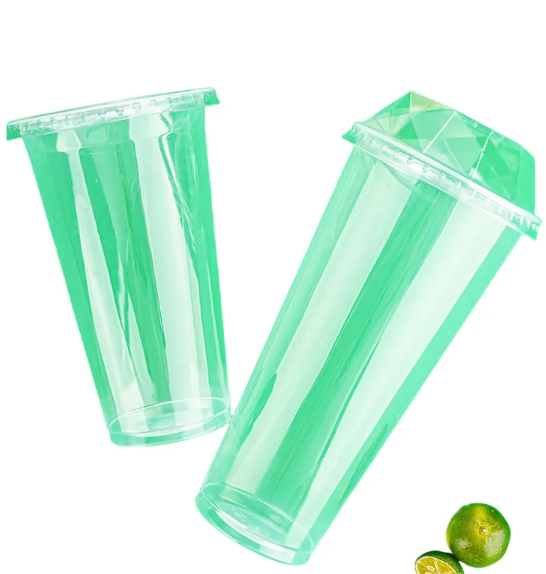
Understanding Food-Grade Plastic and Regulatory Safety Standards
What Is Food-Grade Plastic and Why Does It Matter?
Plastics that come into contact with food are specially made so they won't release bad stuff into what we eat or drink. These differ from regular plastics because there are really tight rules about what chemicals can be present. We're talking about things like BPA and phthalates which have been linked to health problems. For companies making cups and containers, using the wrong kind of plastic isn't just dangerous for people who buy their products it also opens them up to lawsuits and serious damage to their brand reputation. The Food and Drug Administration has specific guidelines called Title 21 CFR that outline what additives are allowed. They test how much chemicals might migrate into food by putting samples through scenarios similar to actual usage conditions, like when someone leaves coffee sitting in a plastic cup for hours.
FDA Approval and Compliance for Food-Contact Plastics
To ensure safety, the FDA requires that all plastics used in food packaging undergo a rigorous compliance process. This includes three essential steps:
- Resin Code Verification: Identify the plastic type using recycling symbols—such as #1 (PET), #5 (PP)—to determine suitability for food contact.
- Documentation Review: Require suppliers to provide FDA affirmation letters confirming the material's approval for food use.
- Usage Validation: Confirm the material is used within its approved parameters, including temperature limits and duration of contact.
For example, PET (#1) is safe for cold beverages but not for hot drinks, as elevated temperatures may compromise its integrity. Manufacturers should verify supplier claims against the FDA's food-contact substance inventory to avoid sourcing non-compliant resins.
How Chemical Leaching Is Evaluated Under Heat and Stress
When testing plastic cups, regulatory bodies subject them to harsh situations like putting them in boiling water or soaking them in acidic substances to see what chemicals might migrate into drinks. The Food and Drug Administration runs these so-called "accelerated aging" experiments where they basically fast forward time, watching out for stuff like styrene that could come off from polystyrene materials over long periods. Take polypropylene labeled #5 on recycling symbols - this material stays pretty much intact until it hits around 212 degrees Fahrenheit (which is boiling point for water), which makes it good choice for coffee mugs and tea cups. But watch out for polystyrene marked #6; once temperatures go beyond about 158°F (roughly equivalent to a warm bath), styrene starts seeping out. Milk jugs made from HDPE plastic numbered #2 are another story altogether. These containers hold their shape and resist breaking down chemically even when subjected to all sorts of rough handling during shipping across country roads and highways.
Top Food-Grade Plastics for Beverage Packaging: PET, PP, and HDPE
Polyethylene Terephthalate (PET): The Standard for Cold Beverage Plastic Cups
Most cold drinks come in PET bottles these days because they're clear, light as air, and meet FDA safety standards. The material doesn't let much gas escape from soda or juice, so those fizzy drinks stay bubbly longer. Plus, PET just doesn't pick up smells like other plastics sometimes do. Industry numbers show that almost every single bottle of carbonated drink worldwide uses PET packaging. And who can argue with something that's half the weight of glass? That makes transportation cheaper too. Although PET isn't great for hot liquids above about 160 degrees Fahrenheit, most people use it for chilled beverages anyway. The good news is that when kept cool in the fridge, PET containers don't release many chemicals into the drinks either.
Polypropylene (PP): Ideal for Hot Beverages and Microwavable Plastic Cups
Polypropylene, or PP as it's commonly called, has a melting point around 250 degrees Fahrenheit (about 121 Celsius) which makes it stand out among plastic materials since it's actually safe to use in microwaves. Tests conducted by the FDA indicate that this particular plastic emits roughly 87 percent less harmful vapors when exposed to heat compared with polystyrene plastics. What makes PP so useful for things like coffee cups and soup containers is its slightly flexible nature that can withstand steam pressure without warping or breaking down. Studies have shown that these cups maintain their integrity after being microwaved hundreds of times, sometimes even over 500 cycles, as long as they don't get hotter than boiling water temperature, which is 212 degrees Fahrenheit or 100 degrees Celsius.
High-Density Polyethylene (HDPE): Durable and Chemically Resistant Options
When it comes to packaging those tangy acidic drinks we all love - think orange juice or sports drinks - HDPE really shines. With a density around 0.95 grams per cubic centimeter, this material forms a solid shield against those pesky citric oils and acids that can ruin flavors over time. Tests show about a 63 percent drop in flavor loss when compared to regular PET containers. Now, sure HDPE isn't transparent, but what it lacks in visibility it makes up for in toughness. These containers can take quite a beating, which is why they're so commonly seen at stadiums and in warehouses where drops happen frequently. And here's another plus point for manufacturers: our local recycling centers actually handle HDPE cups about 22% quicker than those fancy multi-layer options. Waste management reports from last year back this up, showing significant processing advantages for HDPE materials.
Polystyrene (PS) in Plastic Cups: Safety Concerns and Regulatory Shifts
Common Uses of PS in Disposable Plastic Cup Manufacturing
Polystyrene cups still get lots of use in places where money matters most, like restaurants on tight budgets or big events needing thousands of disposable items. The material holds shape well, has that nice smooth surface feel, and doesn't cost much to mass produce through injection molding techniques. Works fine for keeping cold beverages contained, think sodas or those iced coffees we all love so much these days. But watch out when temps drop too low because polystyrene gets really fragile then, and cracks start appearing everywhere. That's why most manufacturers stick to using PS stuff only for temporary purposes where there won't be much stress on the material over time.
Styrene Leaching Risks and BPA-Free Misconceptions
Even though manufacturers tout polystyrene (PS) as BPA-free, there are still real health worries because of something called styrene migration. The FDA actually lists styrene as potentially cancer-causing for humans. Research shows that when drinks get hotter than around 167 degrees Fahrenheit, the amount of styrene that leaks into them jumps anywhere from 15 to 30 percent. Many people think "BPA-free" automatically means safe for everything, but they don't realize that styrene itself is a different kind of problem. The International Agency for Research on Cancer classifies it as Group 2B carcinogen, which basically means it might cause cancer. Because of these concerns, eight states across America now mandate warning labels on food containers made from PS materials since last year.
Global Trends Phasing Out Polystyrene in Food Packaging
More than thirty two countries around the world have either put limits on or completely stopped using polystyrene (PS) for food packaging materials. The European Union's Single Use Plastic rules are just one example of this trend. Food service companies big and small have been changing their game plan too. Since early 2022, most of them have replaced about eight out of ten plastic cups they used to stock with alternatives made from PET or PP instead. Regulations definitely pushed this change forward, but what really matters is what customers want these days. The sad truth though? Less than three percent of all polystyrene gets recycled globally. That means there simply aren't good ways to recycle it back into something useful. So businesses are moving fast towards greener choices such as recycled PET products which actually work within our current waste management systems.
Performance Comparison of Plastic Cup Materials Across Key Metrics
Temperature Resistance: PET vs. PP vs. HDPE vs. PS
PET cups stay good until they hit around 158 degrees Fahrenheit or 70 Celsius, so they work fine for keeping drinks cold but definitely aren't meant for anything warm. When it comes to heat resistance, PP plastic takes the cake as the toughest option out there. These containers can handle all the way up to boiling water temperature at 212 F (that's 100 C) which makes them safe for putting in the microwave or filling with something hot. HDPE falls somewhere in the middle range, able to manage temps from about 120 to 145 Fahrenheit without melting down. Polystyrene (PS) starts getting wobbly when it reaches 185 F or 85 C though, so this material is really only suitable for brief exposure to cold items.
Recyclability and Environmental Impact by Plastic Type
When it comes to recyclability, PET takes the lead position. About 29 percent of all PET produced around the world gets recycled each year according to recent figures from 2023. However, there's still a problem because roughly half (about 54%) of recycling facilities actually take in food grade PET materials. HDPE does better overall with approximately 36% being recycled, although this plastic needs careful separation at recycling plants since different types have varying density levels. Polypropylene presents another challenge entirely. Only about three percent ends up getting recycled despite research showing that when people switch to reusable PP containers instead of disposable ones, they cut down on emissions by nearly 42%. As for polystyrene, let's just say its recycling rates are practically nonexistent these days, sitting somewhere below one percent mainly because nobody wants to deal with either the costs or technical difficulties involved.
Cost Efficiency for Manufacturers and Brand Decision-Making
Polyethylene terephthalate (PET) rules the disposable market scene because it costs around 18 to maybe even 22 percent less to produce compared to polypropylene (PP). That makes PET great stuff for products made in huge quantities. But here's the catch: PP can actually be reused multiple times thanks to its toughness, which cuts down on overall expenses by roughly half after about fifty or so uses. High density polyethylene (HDPE) stands out too since it handles impacts better than PET when they're about the same thickness, making HDPE a good middle ground choice for things that need to last while staying reasonably priced. Looking at recent polymer studies from early 2024, we see top brand names gravitating toward PP even though it starts off costing about forty percent more upfront. They're clearly prioritizing what happens down the road rather than just looking at first impressions, focusing on both environmental friendliness and how well these materials perform over time.


