
 EN
EN
Environmental Impact of Paper Cup Materials and Production
Life Cycle Assessment and Carbon Footprint of Disposable Paper Cups
According to an industry report from 2024, making just one paper cup creates around 20 grams of CO2 emissions, which is actually 35 percent lower compared to plastic cups. But wait, there's more to consider when looking at environmental costs. The transportation, how people use them, and what happens after disposal make up about 60% of the overall carbon impact for these paper cups. Take those cups lined with polyethylene (PE) coatings for instance they need roughly half again as much energy during manufacturing compared to ones made with water based materials. This was highlighted in last year's Material Sustainability Report by researchers tracking eco friendly options across industries.
Deforestation, Resource Use, and Environmental Impact of Paper Cups
The making of paper cups accounts for about 18 percent of all wood pulp needed worldwide, and this leads to cutting down trees across roughly 7.3 million acres every year according to Global Forest Watch from 2023. To produce just one single cup takes around half a liter of water, something that puts real pressure on areas already struggling with limited water supplies. What people might not realize is that even when companies claim their paper comes from sustainable sources, these materials frequently come from those big plantations where only one type of tree grows. These monoculture farms actually cut down biodiversity levels by as much as 42% when compared against what we find in natural forests, so there's still quite a problem here despite the green labels.
Material Coatings (PE, PLA, Aqueous) and Their Environmental Impact
- PE coatings: Non-recyclable in most facilities, decomposing into microplastics over 450+ years
- PLA linings: Compostable only in industrial facilities (available in <15% of municipalities)
- Aqueous coatings: Reduce landfill waste by 90% but require 25% thicker paper layers
Recent breakthroughs in biodegradable paper cup linings show promise, with plant-based coatings degrading in 12 weeks under proper conditions.
Water-Based Coated Paper Cups vs. Traditional PE-Lined Alternatives
| Factor | Water-Based Cups | PE-Lined Cups |
|---|---|---|
| Recyclability | 89% | 4% |
| Production Emissions | 0.8 kg CO₂/100 cups | 1.3 kg CO₂/100 cups |
| Decomposition Time | 3-6 months | 450+ years |
Water-based options eliminate microplastic contamination but cost 18% more—a gap narrowing as adoption grows by 22% year-over-year in foodservice sectors.
Recyclability and End-of-Life Disposal Options for Paper Cups
Recyclability Challenges of Composite Paper Cups
The main problem with composite paper cups is that they have those pesky polyethylene liners inside, making them really hard to recycle properly. Most recycling centers just don't have what it takes to separate out the different materials involved. According to some research published in Procedia CIRP back in 2022, about 95% of all recycling facilities can't handle these mixed material cups at all. That's why we're looking at only around 4% being actually recycled worldwide. And when people throw away these cups instead of recycling them, something bad happens in landfills. The PE lining starts producing methane gas as it breaks down. A study from Journal of Cleaner Production in 2021 found this creates roughly the same amount of greenhouse gases as 740 thousand regular passenger cars would emit in a whole year. Not exactly great news for our planet.
Compostability and Industrial Composting Requirements
Industrial composting plants are able to handle those special compostable cups that have been certified for breakdown, though getting access to these services is still pretty tough. The process needs pretty high temps around 140 degrees Fahrenheit or so, plus just the right mix of microbes working away at stuff like PLA materials for about three months before it all breaks down properly. And here's the catch: barely 15 percent of towns across America actually have this kind of industrial composting setup available. That means most of these supposedly eco-friendly cups just sit around in landfills where they don't really break down very well at all.
Paper Cups with PLA Coating and Their Biodegradability Claims
Polylactic acid (PLA) coatings made from corn starch are being sold as eco-friendly replacements for polyethylene linings. The catch? These materials break down completely only in industrial composting facilities. But when PLA ends up in regular landfills, it behaves just like traditional plastic waste, slowly shedding tiny plastic particles over decades according to research published by Waste Management back in 2018. So what does this mean for consumers? We really need better information about how to dispose of these products properly if we want them to actually deliver on their green promises.
Performance and Functional Properties of Disposable Paper Cups
Durability and Insulation Performance of Paper Cups for Hot Beverages
Paper cups today work better at keeping drinks hot thanks to their layered construction and new materials being used. The double wall design creates little pockets of air between layers which cuts down on how fast heat escapes, making them about 40 percent better than regular single wall cups at keeping things warm while also preventing fingers from getting burned. Research published last year showed something interesting too. Cups made with thicker paperboard around 230 grams per square meter can hold up against hot liquids around 95 degrees Celsius for well over an hour without collapsing, which matters a lot for busy cafes and mobile food vendors who need reliable containers all day long. What we see here matches what other packaging research has found generally true: when manufacturers invest in specific materials for these cups, people stay safer and businesses run smoother operations overall.
Leak Resistance and Structural Integrity Under Thermal Stress
How liner materials work together with manufacturing methods really makes all the difference when it comes to keeping things leak free. PLA coatings, which stand for polylactic acid, can handle heat up to around 110 degrees Celsius before they start to warp, that's actually 20 degrees hotter than what traditional polyethylene linings manage. When manufacturers use ultrasonic seam welding, they get bonds stronger than 12 Newtons per square centimeter, so the seams stay intact even after long periods of use. Testing has shown that cups with aqueous coatings still resist leaks at about 98 percent effectiveness after sitting in hot conditions for 45 whole minutes. That solves a big problem for restaurants dealing with takeaway orders. Looking at recent developments in material science, these improvements mean paper cups could replace plastic ones in situations where heat is involved, all while helping businesses hit their green targets too.
Cost Comparison and Economic Considerations of Paper Cup Types
Cost comparison of disposable cup types: PE, PLA, and aqueous-coated
Regular polyethylene lined paper cups are still pretty cheap, costing around eight to twelve cents each. But according to some production numbers from 2023, those cups with aqueous coatings end up being about fifteen to thirty percent pricier because they require more complicated manufacturing steps. Then there's PLA cups which tend to swing all over the place in price. The cost can jump by as much as forty percent every year depending on how much corn starch is available since that's basically what makes up PLA material.
| Material | Cost Per Cup | Price Stability | Scalability Factor |
|---|---|---|---|
| PE-lined | $0.08-$0.12 | High | Mature supply chain |
| PLA-coated | $0.15-$0.25 | Low | Seasonal shortages |
| Aqueous-coated | $0.14-$0.18 | Moderate | Limited producers |
Scalability and procurement costs for commercial beverage providers
Restaurants that order at least half a million cups each month can usually get around 18 to 22 percent off PE lined cups based on what we see in the market. The catch is that if they want aqueous coating instead, they need to commit to buying a full million cups before getting similar deals. And let's not forget about shipping either. PLA cups cost roughly 12 to 15 percent more to ship because they have to go in climate controlled trucks otherwise they'll warp during transit. This makes a real difference when calculating overall costs for large operations.
Consumer Preferences and Market Trends in Sustainable Paper Cup Usage
Eco-Friendliness of the Cups as a Driver of Consumer Choice
According to a recent industry study from 2023, around two thirds of shoppers are looking for greener paper cup alternatives these days. They tend to go for cups with those biodegradable PLA coatings or water based barriers instead of the usual PE lined ones we've seen everywhere for years. People are starting to realize just how bad single use plastics are for the environment. When asked why they care about this stuff, nearly half said wanting to cut down on environmental damage was what made them choose one cup over another. Coffee shops and fast food places have caught on to this trend too. Many now proudly display those FSC or BPI certification marks on their packaging. These labels basically serve as proof that the materials come from sustainable sources and will actually break down properly in compost systems rather than sitting forever in landfills.
Branding and Customization Potential of Environmentally Friendly Coffee Cups
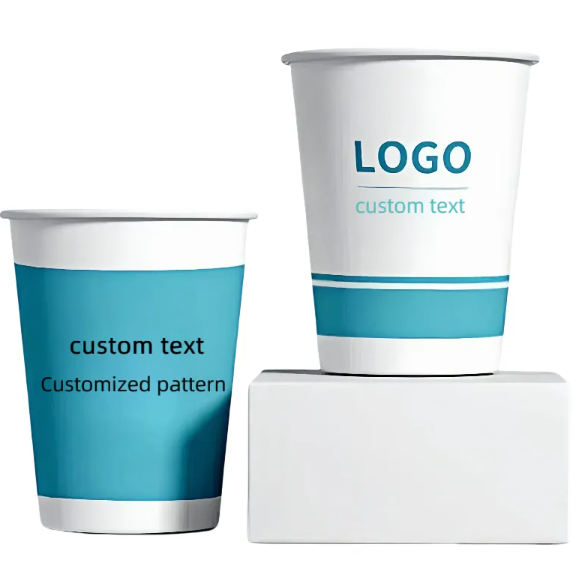
Top companies are now turning to sustainable paper cups as walking advertisements, and it's working. A recent survey found that nearly nine out of ten businesses saw better customer interaction after putting eco-friendly messages on their cups. The cups can be personalized too, with things like green ink logos or QR codes that take people straight to info about sustainability efforts. This approach helps businesses stand out in crowded markets while connecting with folks who care about environmental issues. Makes sense really, since over half of shoppers these days want to buy from brands that share their values, as shown in last year's circular packaging study.
Market Demand for Sustainable Disposable Solutions
Market forecasts suggest the sustainable paper cup industry will expand at around 6.2% annually until 2028. This growth comes from places banning plastic disposables and companies pledging to go zero waste. According to research from 2024, nearly 38% of all demand comes from the Asia-Pacific region where cities are growing fast and coffee shops keep popping up everywhere. Meanwhile European countries have taken the lead when it comes to switching to compostable options because of strict regulations there. While these eco-friendly cups cost more initially, many restaurants actually save money in the long run. Studies show operators typically cut expenses by about 23% after three years thanks to lower trash removal costs and customers who tend to stick around longer when they know their favorite café cares about sustainability.
Table of Contents
- Environmental Impact of Paper Cup Materials and Production
- Recyclability and End-of-Life Disposal Options for Paper Cups
- Performance and Functional Properties of Disposable Paper Cups
- Cost Comparison and Economic Considerations of Paper Cup Types
- Consumer Preferences and Market Trends in Sustainable Paper Cup Usage


