
 EN
EN
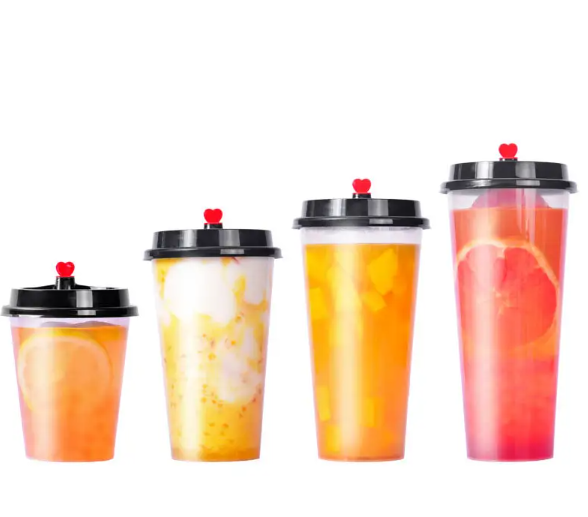
Understanding Boba Cup Materials: Performance, Sustainability, and Aesthetics
PET, PP, and PS Plastics: Clarity, Strength, and Temperature Resistance
Most boba cups are made from PET plastic because it's really clear - about 98% transparent according to ecomarch.com - and holds its shape even when heated to around 160 degrees Fahrenheit. That makes PET work well whether someone wants a cold or warm drink. Then there's polypropylene, or PP for short. This material is tougher stuff altogether. It can handle boiling water temps without getting all warped and misshapen. Polystyrene (PS) is another common choice, mainly because it costs less but only works good for cold beverages. Some recent research from 2023 showed something interesting too. When used in places where moisture builds up a lot, those PP cups actually had 40 percent fewer problems with lids coming loose compared to the PS alternatives.
Paper vs. Plastic Boba Cups: Balancing Eco-Friendliness with Structural Integrity
The latest paper cups coated with plant based PLA lining can hold liquid just as well as plastic ones for around four hours straight. This improvement goes a long way toward tackling the massive problem of plastic waste from bubble tea containers alone, which adds up to about 12 thousand tons each year across the country. But there's still work to be done because when we put these cups through stress tests, regular plastic holds up 30 percent better under pressure. That matters a lot when customers order drinks loaded with stuff like chewy tapioca balls that weigh down the cup. Smart companies are getting creative though. Many top manufacturers now make double walled paper cups with those little ridges along the sides. These ribs give extra support so the cups don't collapse or get soggy even after sitting around for a while.
PLA and Compostable Innovations: Sustainable Solutions for Eco-Conscious Brands
PLA cups that break down industrially take about 12 weeks to compost, which is way better than regular plastic that sticks around for 450 years or so. The newer versions of PLA can handle heat up to 185 degrees Fahrenheit now, something that used to be a real problem when trying to serve hot drinks in them. A recent report from Green Packaging Initiative shows that almost 8 out of 10 consumers would actually spend extra money on packaging that's certified as compostable. This makes sense for companies wanting to go green since customers clearly value sustainability these days.
Surface Finishes: Frosted, Clear, and Premium Options for Brand Appeal
| Finish Type | Key Benefit | Brand Perception |
|---|---|---|
| Frosted | Reduces condensation | Modern, premium |
| Ultra-Clear | Enhances drink visibility | Fresh, authentic |
| Metallic Accents | Catches ambient light | Luxury, exclusivity |
A 2024 survey revealed that 63% of customers associate textured finishes with higher beverage quality, driving upscale chains to adopt soft-touch coatings that elevate tactile experience and perceived value.
Optimizing Boba Cup Size and Shape for Drink Composition and Customer Use
Standard Sizes (16oz, 20oz, 24oz): Matching Capacity to Toppings and Beverages
Selecting the right size ensures optimal drinking experience and customer satisfaction. The 2024 Beverage Packaging Report identifies three standard volumes dominating the market:
| Size (oz) | Capacity (ml) | Best For |
|---|---|---|
| 16 | 473 | Classic milk teas, light toppings |
| 20 | 592 | Fruit teas, 2–3 toppings |
| 24 | 710 | Loaded desserts, layered drinks |
The 20-ounce size strikes the best balance for 78% of customers, accommodating creamy bases and multiple toppings while remaining portable.
Wide-Mouth vs. Narrow-Neck Designs: Impact on Straw Function and Topping Flow
Cups with wide mouths measuring at least 100mm across make it much easier to get at those sticky jellies and popping boba bits, which helps prevent those annoying blockages when using big straws. About two thirds of people who buy these things regularly seem to prefer the U shape design because they can sip their drink while reaching for whatever toppings might be floating around. On the flip side, narrower cups between 70 and 80mm actually cut down on spills by roughly a third when dealing with thick drinks such as taro smoothies. This makes them far less likely to leak all over everything when someone needs to carry their beverage somewhere.
Custom Sizing and Proportions for Signature Drinks and Brand Differentiation
About 30% of leading brands have started using their own special boba cups to help people remember them better. A major international tea company actually reported around 19 percent more customers coming back for seconds once they rolled out this new 700ml "slim tower" cup design. These cups fit nicely into car cup holders and really show off those pretty layered matcha drinks too. The cups aren't symmetrical either, which might sound odd but actually helps prevent tired hands when holding them for long periods. That matters quite a bit in places where most orders happen through drive-thrus or get delivered right to someone's door.
Essential Functional Features: Leak Prevention, Durability, and Temperature Control
Leak-Proof Lids and Sealing Technologies for Safe On-the-Go Consumption
Effective boba cup lids must seal securely while allowing access to chewy toppings. Silicone gaskets and double-walled closures prevent leaks without restricting thick straws. Industry safety guidelines recommend torque testing to verify that lids remain intact under shaking or pressure–ensuring reliability from shop to consumer.
Insulation Performance in Hot and Cold Boba Drinks
Double-walled PET or PP cups extend temperature retention by 40% compared to single-layer alternatives, essential for maintaining the quality of both iced milk teas and hot brown sugar boba. Optimal insulation typically requires 0.8mm wall thickness in 16oz cups to prevent condensation and preserve thermal stability.
Durability Testing: Avoiding Cracks, Spills, and Handling Failures
Premium boba cups undergo rigorous drop tests, surviving impacts from six feet onto concrete to simulate real-world handling. Pressure resistance standards of at least 15 psi ensure cups can be safely stacked in high-volume settings–critical for efficient service in busy bubble tea shops.
Lid Types Compared: Sipper, Dome, and Stopper Lids for Optimal Topping Access
- Sipper lids: Ideal for smoothies with small toppings (2–4mm openings)
- Dome lids: Accommodate oversized straws for jumbo pearls (12–14mm ports)
- Stopper lids: Combine spill-resistant seals with reusable functionality
According to 2023 foodservice packaging trials, these specialized lid designs reduce leakage by 27–33% compared to standard flat lids.
Straw Compatibility and User Experience in Functional Boba Cup Design
Straw Diameter and Length: Ensuring Smooth Flow of Pearls and Jellies
The size of straws really matters when designing boba cups that work well. Anyone who's tried those tiny straws knows they just don't pull up tapioca pearls properly, leaving folks stuck with half-drunk drinks according to industry reports from last year. Most manufacturers now stick with straws between 12 and 14 mm wide made from either PP or PET materials. These bigger straws let all sorts of stuff pass through smoothly, whether it's jelly pieces, chunks of fruit, or those chewy additions customers love so much. When we get to those larger 20 to 24 ounce cups, longer straws around 8 to 10 inches become necessary. They make drinking easier without having to tilt the cup at awkward angles, which nobody wants during lunch breaks or after class.
Design Innovations That Enhance Convenience and Reduce Spillage
New straws come with angled ends and those soft silicone covers that really help hold them better and get all those tasty toppings right where they need to go instead of chasing pearls around like everyone does sometimes. These improvements work even better when combined with those double wall insulated cups we've all seen lately. The insulation keeps things from getting too sweaty and slippery, which means fewer dropped drinks. Plus, the little silicone rings inside keep everything sealed tight even if someone bumps into the table or something. Some folks did a study recently looking at how people carry their drinks, and guess what? They found that cups with those indented sides made it 40% easier to hold with just one hand. Makes sense for busy folks who are always running somewhere with coffee in hand.
Sustainability and Branding: Aligning Boba Cup Choice with Brand Values
Eco-Conscious Packaging: From Production to End-of-Life Recycling or Composting
More companies these days are moving away from traditional plastics toward PLA and other compostable options that actually decompose in about 12 weeks when placed in industrial composting centers. According to research published by Smithers in 2023, around 74 percent of shoppers seem to favor brands that use plant based packaging. Take for instance this one bubble tea place in California which made the switch to PLA cups last year. Their sales went up by roughly 30% among customers who care about environmental issues. What makes these new biopolymer materials so interesting is how they help move us closer to circular economy principles while cutting down on what ends up in landfills. Plus, despite being eco friendly, they can still handle temperatures as high as 140 degrees Fahrenheit without melting, which works great for those who love their drinks piping hot.
Consumer Perception of Green Packaging in Bubble Tea and Beverage Brands
When it comes to what makes people buy things, packaging sustainability plays a big role. The latest GreenBrands Report from 2024 shows that around two thirds of consumers actually consider this factor before making purchases. Companies that switch to cups made from materials that can be recycled or composted tend to keep their customers coming back more often too. According to numbers from the Food Service Packaging Association, these brands see about 22 percent better customer retention compared to businesses still stuck with regular plastic options. People also appreciate knowing where products come from and how they get disposed of properly. Brands that open up about their supply chains gain a lot of trust from shoppers. The Sustainable Packaging Coalition found out last year that when companies disclose this information clearly, their overall credibility jumps by roughly 41 percent among consumers who care about environmental impact.
Custom Printing and Limited-Edition Cups: Marketing Tools with Functional Flair
These days compostable cups can actually handle high definition printing with those soy based inks, so companies can run seasonal marketing stuff without their cups falling apart. According to some industry research from Food Service Packaging, when brands put out special holiday designs on these cups, they see around a 60-odd percent jump in social media likes and shares. Younger consumers especially love the look of these cups with their smooth frosted surfaces and simple geometric patterns. They want something that looks good enough to post online but still works as proper packaging. And guess what? These fancy designs don't compromise on functionality either since the cups stay leak proof even when tossed into delivery bags or packed alongside other items during shipping.
Table of Contents
-
Understanding Boba Cup Materials: Performance, Sustainability, and Aesthetics
- PET, PP, and PS Plastics: Clarity, Strength, and Temperature Resistance
- Paper vs. Plastic Boba Cups: Balancing Eco-Friendliness with Structural Integrity
- PLA and Compostable Innovations: Sustainable Solutions for Eco-Conscious Brands
- Surface Finishes: Frosted, Clear, and Premium Options for Brand Appeal
- Optimizing Boba Cup Size and Shape for Drink Composition and Customer Use
- Essential Functional Features: Leak Prevention, Durability, and Temperature Control
- Straw Compatibility and User Experience in Functional Boba Cup Design
- Sustainability and Branding: Aligning Boba Cup Choice with Brand Values


