
 EN
EN
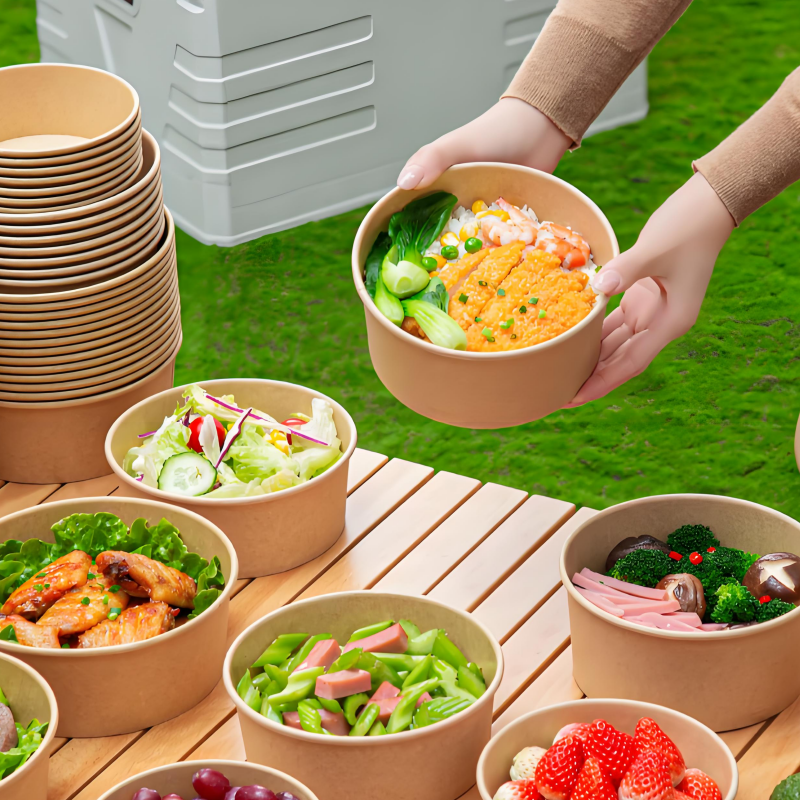
The Rise of Customizable Salad Bowls in Fast-Casual Dining
How Salad Bowl Formats Are Reshaping Fast-Casual Menus
The fast casual restaurant scene is getting creative with how they serve salads these days. Many places have swapped out their old fashioned fixed item salads for something called modular salad bowls instead. Customers can mix and match different bases such as kale or quinoa along with various proteins, dressings, and toppings. Some chains even claim there are more than 200 different ways to put together a bowl! Restaurant owners tell us that people tend to spend around 32 percent more money when ordering these customizable options rather than going for the standard salads. Why? Because folks love adding those extra fancy items like avocados or grilled salmon which definitely bump up the price tag. Now most restaurants use digital screens showing off all the customization possibilities too. According to surveys, about two thirds of customers say being able to build their own salad right on screen makes a big difference in what they end up ordering.
Consumer Demand for Health and Flavor Balance Drives Innovation
Salad bowls have become a big hit because people really want their food to be good for them but still taste amazing. Studies show around two thirds of folks out there looking for something nutritious that doesn't skimp on flavor. Restaurants get this and are getting creative with what they put in these bowls. We're seeing more fermented stuff like kimchi and pickled onions added for that extra kick to the gut and some tangy flavor. Toppings now include things like roasted mushrooms which give that rich umami taste, plus those crispy Parmesan bits everyone loves. Most places aim for about 20 to 30 grams of protein per bowl, often using grilled chicken or tofu. According to a recent survey from the National Restaurant Association back in 2024, nearly 60% of customers actually look forward to discovering new flavors in their salads, even when they're going for something healthy.
The Shift From Static Salads to Dynamic, Build-Your-Own Experiences
The popularity of pre-packaged salads has dropped quite a bit lately, down around 18% in fast casual spots since 2022. Most places are switching to those interactive salad bowls instead. Take a look at the market leaders - seven out of ten top fast casual chains now charge based on ingredient categories rather than fixed prices for whole meals. According to data from Eco-Sure in 2023, this approach cuts food waste by about 27%, plus diners tend to feel they're getting better value for money. Some restaurants that implement AI suggestions at their salad stations report customers making choices 41% quicker, which really helps keep things moving when the lunch rush hits.
Meeting Diverse Dietary Needs Through Salad Bowl Customization
Accommodating vegan, keto, gluten-free, and other alternative diets
The rise of salad bowl customization is responding directly to the big jump we've seen in specialty diets over the past few years. According to the Global Dietary Trends Report from 2023, there's been around a 37% increase since 2021 alone. What makes these bowls special? People get to pick exactly what goes into their meal. Want to trade out chicken for something like marinated tofu instead? No problem. Croutons just don't cut it anymore? Swap them with those crunchy seed clusters everyone seems to love lately. And let's not forget about dressings - plenty of options exist for folks avoiding dairy products. Traditional fast food salads simply cannot match this kind of flexibility when looking at what they offer by way of substitutions. Most restaurants have started implementing digital menu systems that allow filtering based on over twelve different dietary requirements. This means families or groups where members follow completely different eating plans can all enjoy lunch together without anyone feeling left out.
Clean eating expectations and transparent dietary claims
People want to know exactly what's going into their food these days, and this has completely changed how restaurants market their salad bowls. According to a recent survey by Food Insight from last year, around two thirds of folks actually check those nutrition labels before they order. Fast food places are getting smart about this too. Many now show customers where their greens come from with little maps of nearby farms on the menu boards. Some even let people adjust calories as they build their own salads right there at the counter something most boxed salads just don't offer. The whole point of this push for total openness? To help folks spot those sneaky sugars hiding in dressings or weird stuff mixed into chicken and beef products that shouldn't be there.
Case Study: A leading chain's success with nutrient-based ordering
When one fast casual restaurant rolled out their AI powered meal builder last year, health conscious orders shot up by an impressive 154%. The platform works by asking customers about what they need nutritionally and what flavors they enjoy during a quick 90 second questionnaire. Based on this info, it creates four different bowl options complete with matching sauces and detailed nutritional info. What makes this so effective? Well, people spend way less time deciding what to eat these days since the system handles all the thinking for them. And bonus? Customers get introduced to some pretty interesting combinations they might never try otherwise, like that surprising but totally delicious tahini lime sauce over spicy cauliflower rice bowls. Some internal tracking shows folks take about 42% less mental energy when making their selections now.
Innovative Ingredients and Nutritional Balance in Modern Salad Bowls
Core Ingredients Driving Appeal: Chicken, Quinoa, Kale, and Plant-Based Proteins
Today's salad bowls are all about mixing tasty textures with real nutritional value. Think grilled chicken, quinoa packed with nutrients, leafy kale loaded with vitamins, plus those increasingly popular plant-based protein options. According to the latest Nutrition Trends Report from 2023, around 6 out of 10 people dining at fast casual spots care deeply about getting both good taste and something actually healthy in one meal. The numbers back this up too plant based proteins are showing up on menus across the country at nearly 28% higher rates compared to last year. This trend shows how our eating habits are changing as folks want more flexibility in what they put on their plates without sacrificing either flavor or health benefits.
Functional Benefits: Protein-Rich and Plant-Forward Meals for Sustained Energy
People are turning to high protein staples such as quinoa which packs around 8 grams per cup and lentils that give about 18 grams per serving to avoid those dreaded energy slumps after lunch. When mixed with leafy greens full of antioxidants like kale and spinach, these meal bowls help maintain stable blood sugar levels throughout the day something that matters a lot for folks stuck at desks all morning or hitting the gym later on. Research published in Clinical Nutrition back in 2022 showed interesting results too plants based lunches actually boosted afternoon productivity by roughly 34 percent when compared against meals loaded with carbohydrates instead.
Balanced Portions and Calorie-Aware Customization for Long-Term Health
Leading chains now offer calorie-tiered dressing options and portion-controlled protein add-ons (e.g., 4oz vs. 6oz chicken), aligning with CDC guidelines showing 71% of consumers overeat when given unlimited toppings. Diners crafting sub-600 calorie bowls report 22% higher meal satisfaction in JD Power’s 2023 Fast-Casual Survey, proving restraint can enhance enjoyment.
Controversy Analysis: Are ‘Healthy’ Labels Misleading in Fast-Casual Salad Bowls?
Fast food chains love talking about clean eating these days, but according to a recent MenuWatch report from 2023, nearly half (that's 43%) of their signature salad bowls pack over 800 calories each. That's actually more calories than what's in a double cheeseburger! Many people are calling out marketing buzzwords like superfoods for hiding the reality behind sugary dressings and greasy toppings. Still worth noting though, most dietitians agree that if someone takes the time to customize their own salad bowl, they end up getting almost three times as many veggies compared to regular fast food meals. The catch? It really depends on how carefully folks choose what goes into those bowls.
Technology’s Role in Personalizing the Salad Bowl Experience
Digital Kiosks and Mobile Apps Enabling Real-Time Customization
Salad building is getting a major tech upgrade thanks to self service kiosks and restaurant apps. Customers now have much better control over what goes into their bowls, picking exactly which veggies, proteins, and dressings they want. The wait time drops around 40 percent compared to old school ordering methods according to National Restaurant Association data from last year. Plus these digital tools cut down on mistakes when someone asks for something complicated like gluten free options or specific calorie counts. One big name in fast casual dining saw an impressive jump in spending too. When people used their app's picture based salad builder, average checks went up nearly 28%. That shows customers will spend more when they can see all the possible combinations right there on screen.
AI-Driven Recommendations for Dietary Preferences and Restrictions
Smart systems now look at what people want for their health and what they can't eat, then come up with better food mixes. Take those AI driven apps for instance. They dig into all sorts of info including how much protein someone needs, any food allergies they have, even what flavors they enjoy most. From this data, they create eating plans that hit the right nutritional marks while still tasting good. And it turns out most folks really appreciate this approach. According to Forbes Health from last year, around two thirds of people say they prefer meals made just for them rather than generic options.
Case Study: Farm-to-Table Tech Models and Customer Retention
Restaurants are starting to mix supply chain visibility with on-the-spot customization for better results. Some places have implemented what they call "farm integrated chains" where Internet of Things sensors monitor how fresh ingredients stay right from when they're picked until they hit the customer's plate. Diners can actually see where their food came from on their smartphones while placing orders at the same time. The numbers tell quite a story too these operations cut down on wasted ingredients by around 22 percent and saw return customers jump 35% higher just half a year later. Makes sense really, people tend to come back when they know exactly what goes into their meals and where it all started.
Market Trends and the Future of Salad Bowls in Healthy Fast Food
Post-pandemic consumer behavior: demand for convenience and health alignment
Since the outbreak of COVID-19, consumer priorities have changed quite a bit. About two thirds of people dining out these days are ready to shell out extra cash, around 5%, just for food wrapped in stuff that can be composted. And most fast food places? Well, roughly three quarters plan on switching to those fiber bowls within the next few years. Take a look at North America where there are roughly 80 million folks who really care about their health and wellbeing according to USDA data from last year. These individuals want their meals to match what they believe is right morally while still fitting into busy schedules. That's why customizable salad bowls have become so popular lately. They let people grab something nutritious quickly without having to worry about messing up their diet plans.
Survey data: 74% of consumers prioritize customization for health
According to Nielsen's latest findings, there has been about an 18 percent increase worldwide in demand for health foods this year alone. Most people, around 75%, say they need something customized when it comes to their nutrition requirements. The numbers back this up too. Industry data shows that vegetarian items are taking over menus across the board, accounting for roughly two thirds of all sales. Meanwhile, about one quarter of shoppers specifically look out for products labeled organic. Salad bowls stand out here because they offer something different. With their modular setup, customers can actually pick what goes into their meal, adjust portion sizes, manage macronutrients, and avoid any potential allergens that might be present in pre-made options.
Will salad bowls dominate the future of healthy fast-casual menus?
The disposable bowl market is expected to expand around 6.2% each year, which means salad bowls might actually beat out wraps and sandwiches pretty soon. About 75% of restaurant operators want to switch to greener packaging options by 2025, and these bowls work well with modern ordering technologies too. That makes sense why some see them taking over from burgers and burritos in this massive $617 billion fast food sector. But there's a catch though. Most people care about what they're eating these days. Around three quarters check those calorie numbers and where ingredients come from before making a purchase decision.
Table of Contents
- The Rise of Customizable Salad Bowls in Fast-Casual Dining
- Meeting Diverse Dietary Needs Through Salad Bowl Customization
-
Innovative Ingredients and Nutritional Balance in Modern Salad Bowls
- Core Ingredients Driving Appeal: Chicken, Quinoa, Kale, and Plant-Based Proteins
- Functional Benefits: Protein-Rich and Plant-Forward Meals for Sustained Energy
- Balanced Portions and Calorie-Aware Customization for Long-Term Health
- Controversy Analysis: Are ‘Healthy’ Labels Misleading in Fast-Casual Salad Bowls?
- Technology’s Role in Personalizing the Salad Bowl Experience
- Market Trends and the Future of Salad Bowls in Healthy Fast Food


