
 EN
EN
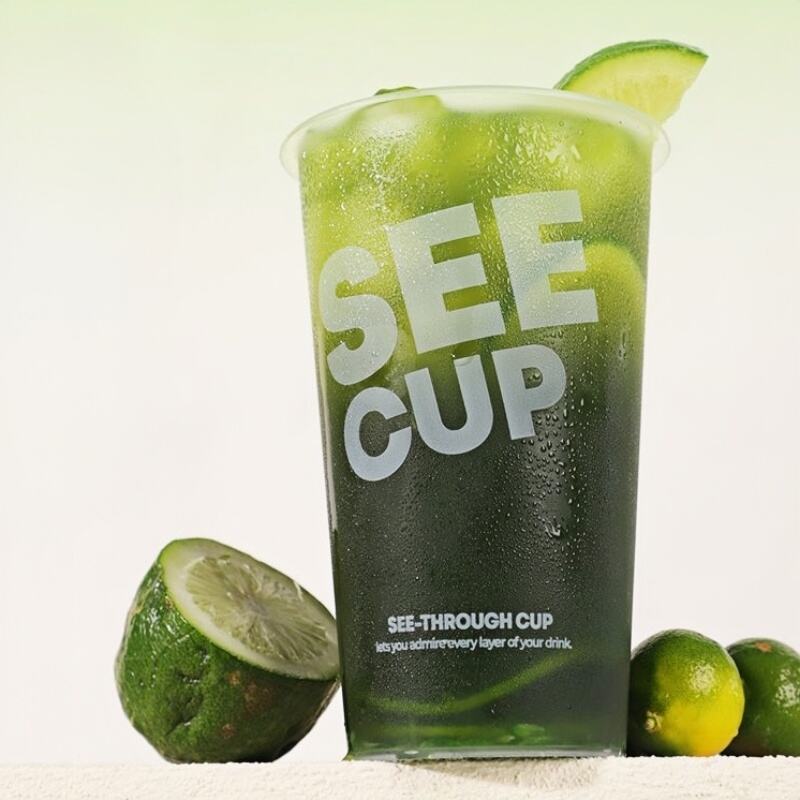
Understanding PP Injection Molding for Drink Cups
What Is Polypropylene (PP) and Why It’s Ideal for Injection Molding
Polypropylene or PP as it's commonly called is a type of thermoplastic that stands out because it doesn't break down easily when exposed to chemicals and can handle temperatures around boiling point before warping. What makes PP different from something brittle like polystyrene is how it handles stress over time without cracking, which explains why so many drink cups are made from this material despite all the handling they get throughout the day. The way PP forms crystals inside gives manufacturers plenty of room to create intricate designs including those tricky little lids, threading patterns, and even very thin sections without compromising structural integrity. Being approved for food contact by both the FDA and European Union regulations means consumers can rest assured nothing bad will transfer into their drinks from PP containers.
How Injection Molding Transforms PP into High-Volume Drink Cups
During polypropylene injection molding, small polymer pellets get dumped into a heated chamber somewhere between 370 and 430 degrees Fahrenheit. These pellets melt down into something resembling thick syrup and then get forced into steel or aluminum molds at pressures that can reach around 20,000 psi. The molten material rushes into the mold cavity pretty fast actually faster than 1.2 meters per second, which helps achieve those really tight manufacturing tolerances we're talking about plus or minus just 0.008 inches here. After filling the mold, the plastic cools down quickly within about 15 to 30 seconds, hardening into shape before automated arms pop it out. The whole operation from start to finish happens in less than half a minute, meaning one machine can crank out well over 50 thousand cups every single day. What makes this process even better is the recycling system built right in. About 99.2 percent of any leftover plastic gets caught and reused, so there's hardly any waste at all. Compare that to thermoforming methods where manufacturers usually end up tossing away between 15 and 20 percent of their material as trim scraps.
Cost-Effectiveness of PP Injection Molding at Scale
Material Costs Compared: PP vs. PET, PS, and PLA in Cup Production
When it comes to making cups in large quantities, polypropylene hits just the right spot between how well it works and what it costs. Let's look at prices for 2024. Polystyrene (PS) resin is running around $750 to $950 per ton, which makes it the cheapest choice available. Polypropylene (PP) sits a bit higher at about $900 to $1,100 per ton, roughly 20% more than PS. But here's why PP matters: it can handle heat up to 212 degrees Fahrenheit without breaking down, so there are fewer problems when people put hot drinks inside. Then we have PET plastic, which costs between $1,300 and $1,500 per ton. Sure, PET gives that clear look many customers want, but it needs thicker walls to stay sturdy, which means using more material overall. And don't get me started on PLA. Yes, it breaks down in compost, but boy does it cost a fortune at $2,000 to $2,500 per ton. That kind of price tag just doesn't work for most business-to-business packaging needs these days.
| Material | Cost per Ton (2024) | Key Strength | Common Cup Types |
|---|---|---|---|
| PP | $900–$1,100 | Heat resistance | Hot/cold beverage cups |
| PS | $750–$950 | Rigidity | Cold drink cups |
| PET | $1,300–$1,500 | Clarity | Smoothie/soda cups |
| PLA | $2,000–$2,500 | Compostability | Specialty eco-cups |
Tooling Investment and Break-Even Point in High-Volume Runs
Setting up tooling for polypropylene injection molds generally runs anywhere from around $50k all the way up to $200k or more, depending largely on how complex the design is and how many cavities are needed. Even though the upfront expense seems steep, most manufacturers find they can start seeing returns compared to methods such as thermoforming once production hits somewhere between 250 thousand and half a million parts. Recent studies from early 2024 indicate that when companies invest approximately $175k in mold creation, their break even point against thermoforming comes right around the 500k unit mark. At that volume level, each part actually costs just $0.35 instead of the usual $0.42 seen with thermoformed products. Another big plus worth mentioning is the speed advantage. Cycle times for these injection processes tend to be roughly 25 to 35 percent faster than what we see with standard PET or PLA materials, which really adds up over time for high volume operations.
Unit Cost Reduction Through Economies of Scale in PP Injection
At scale, PP injection molding delivers significant cost advantages through three key mechanisms:
- Material efficiency: Closed-loop sprue recycling achieves 98% resin utilization
- Labor minimization: Automation handles 85% of post-molding operations
- Energy optimization: Hybrid hydraulic-electric presses reduce energy consumption by 40% per cycle
For annual volumes of 10 million units, per-cup costs fall below $0.10—a 65% reduction from pilot-run pricing. This scalability enables large manufacturers to achieve ROI within 12–18 months, even after substantial upfront investments.
PP Injection vs. Thermoforming: A Total Cost and Performance Comparison
Process Differences and Production Efficiency: Injection vs. Thermoforming
Polypropylene injection molding can cut production cycles by anywhere from 30 to 50 percent compared to thermoforming methods, which makes a big difference when manufacturers need to crank out over half a million units each year. Thermoforming does have its perks though, mainly because the upfront tooling expenses are way cheaper typically around 60 to 80 percent less expensive. But what injection molding brings to the table is significantly reduced labor requirements about 40 percent less hands-on work plus much better control over materials that cuts down on waste. A recent survey published in Plastics Today back in 2023 showed just how pronounced these differences get at scale. The numbers tell the story pretty clearly: injection systems can churn out between 1,200 and 1,500 cups every single hour while thermoforming manages only 800 to 1,000 units. And this gap only widens as production volumes increase.
Durability, Clarity, and Wall Consistency in Final Cup Quality
PP cups made through injection molding keep their wall thickness pretty consistent at around +/- 0.15mm, which means they stack better and don't leak as easily. Thermoformed cups tend to have much more variation in wall thickness, about +/- 0.3mm actually. When manufacturers apply high pressure during injection molding, it aligns the molecules better. This makes the sides of the cup about 18% stiffer according to those standard tests (ASTM D638 if anyone cares). Now while thermoforming does produce clearer finishes sometimes, the real test comes after repeated dishwashing. After going through 50 cycles in a commercial dishwasher, these injection molded PP cups still show 94% clarity. That's way ahead of thermoformed PET cups that only manage around 82% clarity retention. For businesses concerned about both appearance and functionality over time, this difference matters quite a bit.
Total Cost of Ownership for B2B Manufacturers Over Time
Looking at costs over five years, polypropylene injection molding turns out to be around 12 to 17 percent cheaper than thermoforming when companies need to produce more than two million units. Thermoforming molds typically run between eight thousand and fifteen thousand dollars, which is way less than what injection molding requires at thirty to fifty thousand dollars upfront. But here's where injection molding shines: once production scales up, each piece comes out under seven cents, making it about a third cheaper than thermoformed parts that usually cost anywhere from ten to twelve cents apiece. There are other financial benefits too. Injection molding produces only about three percent waste material compared to seven to nine percent in thermoforming processes. Plus, the molds themselves tend to last significantly longer, roughly thirty percent more durable than their thermoforming counterparts. For manufacturers working on large orders, these efficiency gains mean they can actually recoup those bigger initial expenses within eighteen to twenty-four months, depending on contract specifics and market conditions.
Performance, Safety, and Sustainability of PP Injection Cups
Heat Resistance, Flexibility, and Food-Grade Safety of PP Materials
PP injection cups can handle heat pretty well, staying stable even when temps reach around 176 degrees Fahrenheit or 80 Celsius. That makes these cups good choices for things like coffee and soup that get served warm. Compared to polystyrene cups which tend to crack and become brittle over time, polypropylene stays flexible even when dropped or bumped. We saw some data from Packaging Digest back in 2023 showing about a third fewer breaks in factories using PP cups. Another plus point? These cups are made with food grade materials approved by the FDA standards. They don't let chemicals seep out into whatever's stored inside, even after being washed multiple times. For folks dealing with acidic foods or greasy substances, this means PP cups offer better protection against contamination compared to regular plastic bottles made from PET material.
Recyclability and Environmental Impact of PP Drink Cups
Modern recycling systems can handle around 92% of PP material according to research from Prague Institute in 2023, but the reality is quite different for actual consumer products. Most PP cups end up getting recycled just 23% of the time. When we look at alternatives like PLA, these materials need special industrial composting setups that regular people don't have access to. Polypropylene works much better with what's already out there in terms of third party recycling options. Looking at lifecycle studies done last year shows something interesting too. At production volumes above 10 million units per year, PP cups actually create about 28 percent less carbon emissions compared to similar sized PET containers. This makes a big difference when companies are thinking about their environmental impact on larger scales.
Regulatory Compliance and Consumer Confidence in PP Packaging
Polypropylene (PP) injection cups meet all the tough requirements set by both the FDA and European Union for materials that touch food. When people did blind taste tests last year, around three out of four participants actually thought PP was safer compared to polycarbonate plastic. For companies making these products, following ISO 9001 quality standards means they hit about 99.6% compliance when it comes to keeping harmful substances like heavy metals and phthalates from migrating into food. These safety numbers matter a lot in the industry. That's why big fast food chains across the country are switching to PP packaging options for their takeout containers and cups. The combination of regulatory approval and consumer perception is driving this shift toward polypropylene in food service applications.

