
 EN
EN
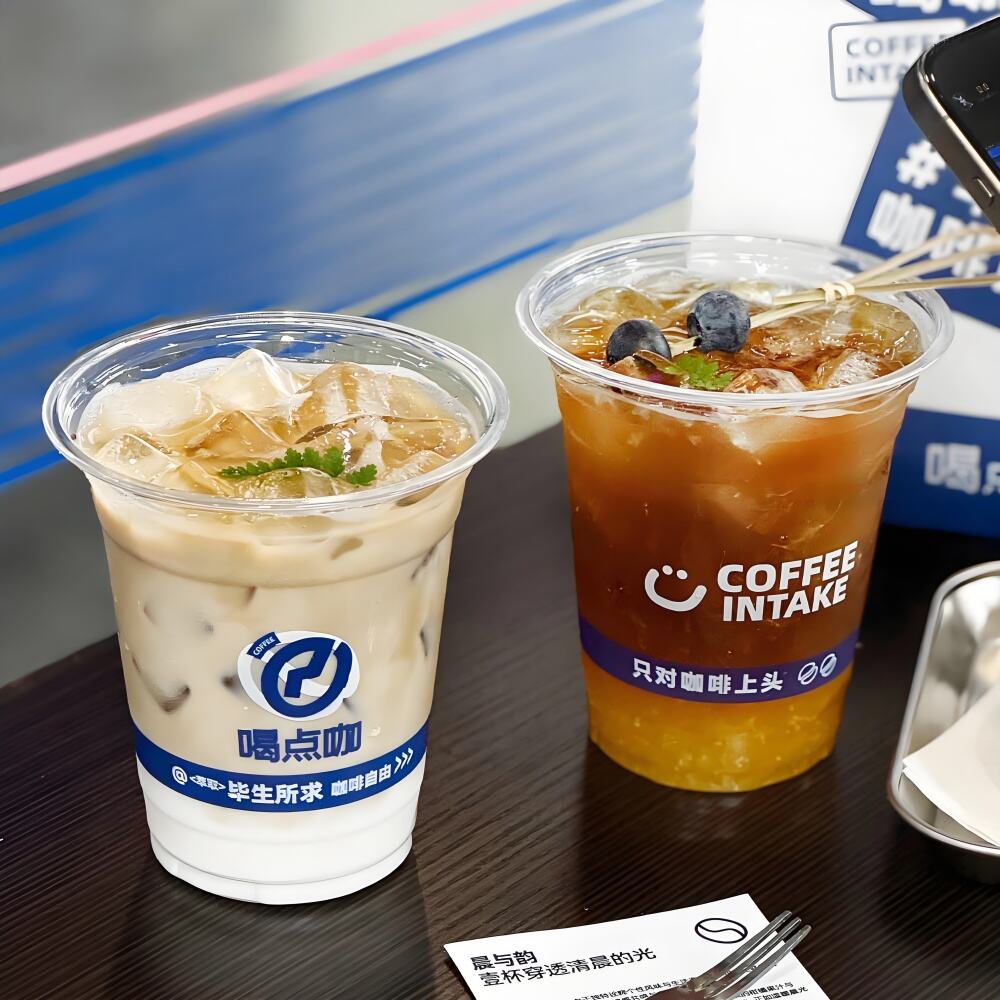
Material Quality and Food Safety Compliance
The foundation of a high-performance cold drink cup lies in its material quality and unwavering adherence to food safety standards. For cold beverage packaging, the materials used must be food grade first and foremost, ensuring that they do not release any harmful substances when in contact with cold liquids, dairy-based drinks, fruit syrups, or carbonated cold drinks. Common premium materials for cold drink cups include food-grade PET, high-quality PP, and eco-friendly paper with specialized water-resistant coatings, each selected for its ability to withstand low temperatures and maintain structural integrity without degrading.
Food safety compliance also means meeting international and regional certification requirements, which is non-negotiable for brands operating locally or globally. High-performance cold drink cups are manufactured with materials that pass rigorous food contact safety tests, eliminating risks of contamination and ensuring that every sip of the cold beverage is safe for consumers. This compliance not only protects consumer health but also shields brands from regulatory issues and reputational damage related to unsafe packaging.
In addition to food safety, the material must possess inherent properties that suit cold drink storage. For plastic cold drink cups, food-grade PET offers excellent clarity and rigidity, making it ideal for showcasing colorful cold beverages like bubble tea, fruit juice, and iced coffee, while PP provides enhanced durability and resistance to impact, perfect for on-the-go cold drink consumption. Paper cold drink cups, on the other hand, rely on food-safe water-based or PLA coatings to prevent water seepage and maintain shape even when filled with icy drinks for extended periods.
Structural Durability and Leak Resistance
A high-performance cold drink cup must deliver exceptional structural durability and leak resistance, two features that directly impact the consumer experience and brand perception. Cold beverages, especially those with ice or layered ingredients, place unique demands on the cup’s structure—its walls and base must remain sturdy and not deform under the weight of the liquid and ice, even when held, transported, or stored in cold conditions.
Wall thickness is a critical factor in structural durability. Well-designed cold drink cups have a balanced wall thickness that avoids excessive bulk while providing enough support to prevent crushing or bending. For paper cold drink cups, reinforced wall construction or double-wall designs add an extra layer of sturdiness, while plastic cold drink cups benefit from molded structural features like ribbed sides that boost grip and durability. The base of the cup is equally important; a thick, stable base prevents the cup from tipping over, a common frustration with low-quality cold drink packaging, and ensures it stands securely on any surface, from cafe tables to car cup holders.
Leak resistance is non-negotiable for cold drink cups, particularly for beverages with liquid, ice, and add-ins like boba or jelly that can put pressure on the cup and its sealing components. High-performance cold drink cups feature precision-molded rims for plastic varieties, ensuring a tight fit with lids—whether flat lids, sipper lids, or pop-top lids. For paper cold drink cups, the rim is crimped and reinforced to create a secure seal with plastic or paper lids, eliminating gaps that cause leaks. The coating on paper cold drink cups also plays a key role in leak resistance; a uniform, high-quality coating covers the entire inner surface, including the base and rim, to prevent water from seeping through the paper fibers, even when the cup is filled with icy, watery beverages for hours.
Thermal and Temperature Retention Capabilities
While cold drink cups are not required to keep beverages hot, they must possess strong thermal and temperature retention capabilities to keep cold drinks chilled for an extended period and prevent condensation from forming excessively on the outside—an issue that can make the cup slippery to hold and damage surfaces like paper napkins, tables, or brand packaging.
Condensation control is a hallmark of a high-performance cold drink cup. Excessive condensation occurs when the cold temperature of the beverage causes moisture in the air to collect on the cup’s outer surface. Premium cold drink cups address this with specialized designs and materials: double-wall paper cups create an air gap between the inner and outer layers that insulates the cold and reduces condensation, while plastic cold drink cups use materials with low thermal conductivity that minimize the transfer of cold to the outer surface. Some high-performance paper cold drink cups also feature a hydrophobic outer coating that repels any condensation that does form, keeping the cup dry to the touch.
Temperature retention for cold beverages ensures that the drink remains chilled and refreshing from the moment it is served to the time the consumer finishes it. This is especially important for on-the-go consumption, where cold drinks may be transported for 15 to 30 minutes or more. Plastic cold drink cups made from thick, food-grade PET or PP excel at retaining cold temperatures, as their non-porous surfaces prevent cold air from escaping and warm air from entering. Paper cold drink cups with high-quality insulation layers or coatings also maintain the coldness of the beverage, ensuring that the taste and texture of iced coffee, bubble tea, and fruit smoothies are not compromised by warming temperatures.
Eco-Friendliness and Sustainability
In today’s beverage industry, eco-friendliness and sustainability have become essential features of a high-performance cold drink cup, as consumers and brands alike prioritize environmentally responsible packaging solutions and avoid greenwashing in their sustainability efforts. A truly high-performance cold drink cup balances functional excellence with eco-conscious design, using materials and manufacturing processes that minimize environmental impact throughout the product’s lifecycle.
Eco-friendly material selection is the first step in sustainable cold drink cup design. Many high-performance cold drink cups now use renewable or recyclable materials: paper cups made from FSC-certified paper, which comes from responsibly managed forests, plastic cups made from recycled PET (rPET) that can be recycled again after use, and cups coated with PLA—a plant-based, compostable material that breaks down naturally in industrial composting facilities, unlike traditional PE coatings that are non-biodegradable. These materials eliminate the trade-off between performance and sustainability, ensuring that the cup functions well for cold beverages while reducing reliance on single-use virgin plastics and non-renewable resources.
Recyclability and compostability are key sustainability features that set high-performance cold drink cups apart from low-quality alternatives. A good cold drink cup is designed for easy recycling—plastic cups are made from a single type of food-grade plastic (e.g., PET or PP) to avoid contamination during the recycling process, while paper cups are manufactured with coatings that are compatible with paper recycling or composting systems. Brands also benefit from sustainable cold drink cups as they align with consumer values: studies show that consumers are more likely to support brands that use eco-friendly packaging, and a sustainable cold drink cup can become a silent ambassador for a brand’s commitment to the environment, enhancing brand image and customer loyalty.
Additionally, sustainable cold drink cup design includes minimizing material waste during manufacturing—e.g., optimizing cup dimensions to use less material without sacrificing performance—and creating cups that are lightweight yet durable, reducing carbon emissions during transportation from the factory to cafes and beverage stores.
Customizability and Brand Alignment
A high-performance cold drink cup is not just a functional container for cold beverages; it is also a powerful marketing tool for brands, which means customizability and brand alignment are key features that cater to the unique needs of cafes, bubble tea shops, fast food chains, and other beverage businesses. The ability to customize the cup’s design, size, and branding elements allows brands to leverage their packaging to enhance visibility, build brand recognition, and create a cohesive consumer experience.
Size versatility is a fundamental aspect of customizability for cold drink cups. High-performance cold drink cup manufacturers offer a wide range of standard and custom sizes—from small 350ml cups for single-serve cold drinks like iced espresso to large 650ml or larger cups for bubble tea, iced coffee with milk, and fruit smoothies—ensuring that brands can match the cup size to their beverage offerings. This size flexibility also extends to the cup’s shape: some brands opt for tall, slim cups for iced coffee, while bubble tea shops prefer wide-mouthed cups that can accommodate boba and other add-ins, and high-performance cold drink cup manufacturers can mold or form cups to these custom shapes without compromising functionality.
Design and branding customizability is another critical feature. High-performance cold drink cups can be printed with high-resolution brand logos, taglines, color schemes, and creative graphics—whether on paper cups using food-safe inks or on plastic cups using durable, fade-resistant printing techniques. The printing is precise and vibrant, ensuring that the brand’s identity is clearly visible on the cup, even when it is filled with a colorful cold beverage. For paper cold drink cups, the coating is compatible with high-quality printing, so the ink does not smudge or run when in contact with condensation or cold liquid. Some manufacturers also offer custom lid designs that match the cup’s branding, creating a seamless look that reinforces the brand image at every touchpoint.
Customizability also includes functional add-ons that align with a brand’s customer experience goals, such as custom sipper lid sizes for bubble tea cups, pop-top lids for carbonated cold drinks, or cup sleeves with brand printing for paper cold drink cups that add grip and extra condensation control. These custom functional features not only enhance the consumer experience but also make the cold drink cup a unique extension of the brand, helping it stand out in a crowded beverage market.
Compatibility with Beverage Types and Add-Ins
The best high-performance cold drink cups are designed to be compatible with a wide range of cold beverage types and their associated add-ins, a feature that is essential for cafes and beverage shops that offer diverse menus—from iced coffee, cold brew, and iced tea to bubble tea, fruit juice, smoothies, and carbonated drinks. Each cold beverage type has unique characteristics that demand specific cup features, and a high-performance cup adapts to these needs without compromising on functionality.
For creamy and dairy-based cold drinks like iced latte, milk tea, and smoothies, the cold drink cup must resist absorption and prevent the creamy liquid from altering the cup’s structure. Paper cold drink cups with a smooth, non-porous food-grade coating work well for these beverages, as they do not absorb the dairy or cream, while plastic cups offer even more resistance to absorption and are easy to clean if the beverage is spilled. For carbonated cold drinks like iced soda or sparkling water, the cup must have a secure, airtight seal with the lid to prevent carbonation from escaping and the drink from going flat; pop-top aluminum lids or airtight plastic sipper lids are ideal for this, and high-performance plastic cold drink cups are molded to create a tight seal that locks in carbonation.
Bubble tea and cold drinks with solid add-ins (e.g., boba, jelly, fruit pulp, or ice cream) require cold drink cups with a wide mouth and sufficient internal space to accommodate these add-ins, as well as a lid with a large enough sipper hole for consumers to drink the beverage and the add-ins together. High-performance bubble tea cups— a popular type of cold drink cup in modern beverage trends—are specifically designed with a wide rim and deep base, and their lids feature a dual-hole design (one for sipping the drink, one for eating boba with a straw) that enhances the consumer experience. The cup’s structural durability is also key for bubble tea, as the combination of liquid, ice, and boba adds weight, and a flimsy cup would deform or leak under this pressure.
Even for simple cold drinks like iced water or fruit juice, the high-performance cold drink cup offers compatibility with different serving styles—e.g., being able to hold ice cubes without melting too quickly, or being suitable for both in-store and takeaway consumption. This universal compatibility ensures that the cup is a versatile solution for a brand’s entire cold beverage menu, eliminating the need for multiple types of packaging and streamlining operations for cafes and beverage businesses.


