
 EN
EN
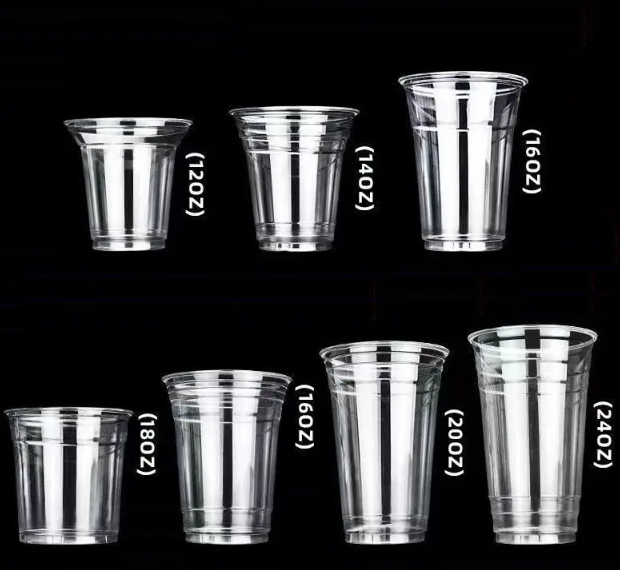
What 'Food-Grade' Means for Plastic Cup Safety and Compliance
Regulatory Benchmarks: FDA 21 CFR, EU 10/2011, and BRCGS Standards for Plastic Cup Materials
“Food-grade” signifies that a plastic material is engineered and validated to contact food or beverages without leaching harmful substances. This designation is not inherent to the resin type alone—it's conferred through compliance with authoritative regulatory frameworks:
- FDA 21 CFR Part 177.1520: Sets strict limits on chemical migration into food simulants (e.g., water, acetic acid, ethanol) under defined time/temperature conditions.
- EU Regulation No. 10/2011: Requires demonstrated inertness against acidic, alcoholic, and fatty foods—and mandates full traceability of all additives used in plastic cup formulations.
- BRCGS Global Standard for Packaging and Packaging Materials: Certifies manufacturing hygiene, process control, and supply chain transparency—not just material safety, but how it's consistently produced.
Together, these standards require validation of thermal stability (e.g., resistance at 140°F+), structural integrity during repeated handling, and absence of unintended extractables. Non-compliant cups risk degradation when exposed to heat, acidity, or mechanical stress—potentially releasing contaminants into consumables.
Migration Testing, Extractables Limits, and Why Certification Matters More Than Resin Code Alone
Resin identification codes (e.g., #1 PET, #5 PP) identify base polymer chemistry—but do not indicate food-grade status. Only formal certification confirms that a plastic cup has undergone rigorous migration testing and meets extractables thresholds:
- Migration testing measures actual leaching into standardized food simulants—acetic acid for acidic foods, olive oil for fatty ones—under worst-case conditions.
- Extractables limits, such as the EU’s overall migration limit (OML) of 10 mg/dm² and specific substance restrictions, ensure volatile organics remain below actionable thresholds (e.g., <0.5 ppm for certain compounds under thermal stress).
A 2023 Food Safety Report found that uncertified plastic cups exposed to hot liquids showed 18–34% higher migration of known plasticizers and stabilizers compared to certified equivalents. This underscores that FDA or EU compliance documentation—not resin code alone—is the only reliable indicator of food-grade suitability for catering applications.
Comparing Common Food-Grade Plastic Cup Materials: PP, PET, HDPE, and PLA
Polypropylene (PP #5): The Top Choice for Hot Beverage Plastic Cup Applications
Polypropylene, or #5 plastic, stands out as probably the best choice when it comes to serving hot drinks. This material can handle ongoing heat exposure up to around 166 degrees Celsius (about 331 Fahrenheit), and even manages brief contact with much higher temps. That makes it great for things like coffee mugs, tea containers, soup bowls, and those dispensers that use steam heating. The way polypropylene molecules are structured gives it some flexibility so it won't crack or warp when temperatures change quickly, something brittle plastics like polystyrene just can't do. Another big plus? Polypropylene doesn't release harmful chemicals like styrene when heated, and it holds up against greasy foods, oils, and weak acids pretty well. Tests in manufacturing settings show these cups stay intact and maintain their seals even after being microwaved multiple times. This matters a lot for catering operations where food needs to be warmed up at event locations.
PET (#1) and HDPE (#2): Best Practices for Cold Beverage Plastic Cup Use
For chilled applications, PET (#1) and HDPE (#2) deliver distinct functional advantages—provided they’re certified food-grade and used within their validated parameters:
- PET plastic cups: Offer high clarity, lightweight construction (reducing shipping emissions), and an effective oxygen barrier—preserving carbonation in sodas and sparkling water. They meet FDA migration limits for cold use but degrade structurally above 70°C (158°F); using them for hot drinks violates food-grade intent and risks warping or accelerated leaching.
- HDPE plastic cups: Excel in impact resistance and low-temperature resilience, performing reliably from –50°C to 80°C (–58°F to 176°F). This makes them ideal for iced beverages served outdoors or in refrigerated environments. Their chemical resistance also prevents flavor transfer from acidic juices or citrus-based cocktails.
Both materials resist moisture absorption and maintain dimensional stability during cold storage—key for consistent stacking, labeling, and dispensing in high-volume catering settings.
Reading Labels and Symbols on Plastic Cups: Beyond the Resin Code
Cup-and-Fork Logo, BPA-Free Claims, and FDA-Compliant Labeling—What They Actually Guarantee
Labels on plastic cups often create a false sense of security. Interpreting them accurately requires understanding what each mark does—and doesn’t—certify:
- The cup-and-fork symbol indicates conformity with EU Regulation 10/2011 for food contact, but it carries no legal weight in the U.S. and isn’t required for FDA compliance. Its presence alone doesn’t verify migration test results or thermal performance.
- “FDA-compliant” means the material formulation falls within the FDA’s list of approved substances and adheres to 21 CFR limits—but says nothing about real-world durability, heat resistance, or seal integrity under service conditions.
- “BPA-free” addresses only one compound. Substitutes like bisphenol S (BPS) or bisphenol F (BPF) may exhibit similar endocrine-disrupting potential—and aren’t restricted by most current food-contact regulations.
Most of these claims don't actually look at how materials behave when exposed to real world conditions. Think about what happens during actual operations: when subjected to steam, after sitting in citric acid for extended periods, or through the constant jostling that comes with stacking and shipping products around. Real confidence doesn't come from marketing statements but by checking the migration test reports suppliers provide. These should match exactly what the product will encounter in practice. Look specifically for tests done with food simulants and temperature/time combinations that reflect typical catering operations. That kind of specific data matters far more than generic safety assurances.
Catering-Specific Performance: Heat Resistance, Durability, and Hygiene in Real-World Plastic Cup Use
How Service Conditions Trigger Warping, Leaching, or Seal Failure in Non-Optimized Plastic Cups
Catering introduces dynamic, high-stress conditions that expose material weaknesses invisible in lab-only certifications. When mismatched to application demands, even food-grade plastics can fail:
- Using PET instead of PP for hot beverages ¥85°C (185°F) causes rapid softening and warping—compromising spill resistance and rim seal integrity within minutes.
- Acidic or alcoholic beverages accelerate leaching in non-barrier-coated plastics, potentially exceeding EU or FDA migration limits—even if the cup passed neutral-simulant testing.
- Stacking during transport induces cyclic stress, leading to microcracks in brittle materials (e.g., unmodified PET or thin-walled HDPE). These cracks harbor biofilm and resist standard washing protocols, undermining hygiene between uses.
- Inadequate wall thickness or inconsistent molding leads to compression failure during high-volume pouring or stacking—especially problematic for disposable buffet setups.
- Thermal cycling (e.g., hot fill → ambient hold → refrigerated storage) stresses heat-sealed rims, increasing delamination risk in laminated cups.
The failures we've seen really drive home one point: just meeting food grade standards isn't enough if we want reliable catering solutions. Picking the right materials means matching their characteristics to what actually happens on site. Take PP #5 for instance it holds up well when exposed to heat. HDPE #2 works great where there might be impacts or drops. And then there's certified PLA which makes sense for places that need compostable options but only where industrial composting facilities are available locally. To make sure everything works as intended, thorough testing is essential. Thermal cycling tests, dropping containers from various heights, and seeing how they hold up after multiple uses all help verify that what we promise actually delivers in real world conditions.
FAQ
What does 'food-grade' mean for plastic cups?
'Food-grade' means the plastic is safe for contact with food or beverages and will not leach harmful substances.
What are the main standards for food-grade plastic cups?
FDA 21 CFR, EU Regulation No. 10/2011, and BRCGS Global Standard are the key regulatory frameworks.
Why is certification important for food-grade plastic cups?
Certification ensures the plastic has passed rigorous migration testing and meets safety limits, unlike relying solely on resin codes.
Which plastics are best for hot and cold beverages?
Polypropylene (PP #5) is ideal for hot beverages, while PET (#1) and HDPE (#2) are better for cold beverages.
Do labels on plastic cups guarantee safety?
Not entirely. It's crucial to check migration test reports and match them with real-world conditions instead of relying solely on labels.
Table of Contents
- What 'Food-Grade' Means for Plastic Cup Safety and Compliance
- Comparing Common Food-Grade Plastic Cup Materials: PP, PET, HDPE, and PLA
- Reading Labels and Symbols on Plastic Cups: Beyond the Resin Code
- Catering-Specific Performance: Heat Resistance, Durability, and Hygiene in Real-World Plastic Cup Use


