
 EN
EN
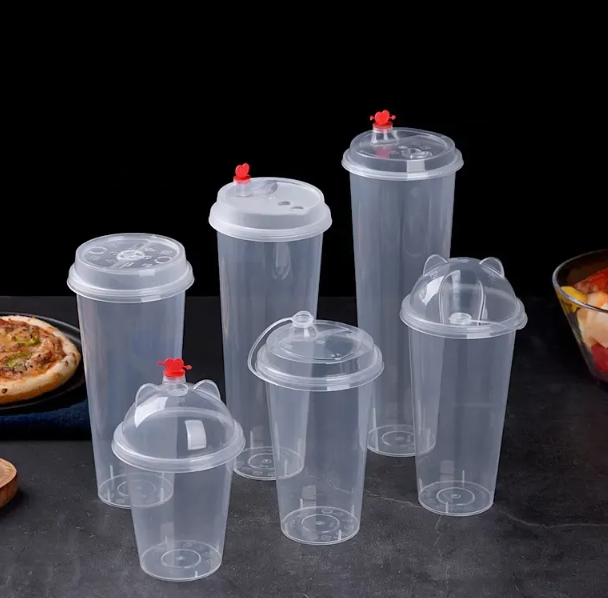
Material Durability: PP, PET, PLA, and Paper Compared for Long-Lasting Boba Cups
Impact Resistance and Structural Integrity During High-Volume Handling
The toughness of boba cups really starts with how well they stand up to impacts, something that matters a lot when servers are juggling dozens of orders at once during rush hour. Polypropylene, or PP for short, stands out in this area because it doesn't crack easily even when accidentally dropped or knocked around. PET plastic gives similar stiffness but has a major downside: it gets pretty brittle when temperatures drop below freezing, which makes it unreliable for things like frozen drinks or cold storage. Paper cups tell a different story altogether. Most standard paper cups start to fall apart after only about half an hour sitting in condensation, especially where the seams come apart. This is actually one of those little frustrations baristas deal with all the time in places where humidity runs high.
Temperature Performance: Maintaining Strength Across Hot, Iced, and Freeze-Thaw Cycles
Thermal resilience determines whether a cup remains functional across real-world service conditions—from boiling milk tea to freezer-stored fruit infusions.
| Material | Max Temp | Cold Performance | Hot Beverage Stability |
|---|---|---|---|
| PP | 130°C | Resists cracking | Maintains rigidity |
| PET | 70°C | Excellent clarity | Warps above 60°C |
| PLA | 50°C | Brittle when iced | Softens rapidly |
PP stands out as the only material validated to retain leak-proof integrity through both hot-fill and freeze-thaw cycles, confirmed by transport vibration simulations that replicate delivery conditions across varied terrain and temperature shifts.
PLA Realities: Compostability vs. Functional Durability in Daily Operations
While Polylactic Acid (PLA) offers clear environmental benefits, its functional durability falls short under operational stress. Real-world testing in high-volume boba shops reveals:
- PLA maintains structural integrity for only 25% as long as PP when handling viscous boba drinks
- Compostable liners degrade within 30 minutes of contact with acidic fruit teas
- Temperature cycling accelerates fatigue threefold compared to PET
These limitations translate directly to cost: shops using PLA report an 18% increase in replacement expenses—despite compostability certifications—making it a trade-off between sustainability goals and daily reliability.
Spill-Proof Engineering: Lid Compatibility and Structural Design for Delivery-Ready Boba Cups
Leak Prevention Verified: Vibration, Tilt, and Pressure Testing Protocols
For boba cups meant for actual delivery service, we need sealing systems that work reliably, not just stories from coffee shops. Standard industry tests actually back this stuff up. First there's the vibration tests that mimic what happens when these cups ride around in delivery vehicles over different kinds of roads - think potholes in cities and bumps on country highways. Then comes the tilt testing where they hold the sealed cups at 45 degrees for ages to see if any drops form along the rim. And don't forget pressure differential testing which basically throws them through simulated altitude changes like going up 8,000 feet in one go - something regular lids often can't handle. Combine all this with reinforced walls that have those little ribs running down them plus wider bases for stability, and most cups will keep their contents inside about 98% of the time even under really tough delivery conditions. That means fewer spills, which protects company profits and keeps customers trusting the brand name.
Lid Geometry Matters: Flat vs. Dome Designs and Their Effect on Load Distribution
The shape of a lid has a big impact on how well it prevents spills when subjected to movement and force. Flat lids work pretty well because they apply even pressure all around the edge, which helps maintain good seals for regular bubble tea drinks. Dome lids are different though. They have those curved tops that give about 15 to 25 percent more space inside. This extra room matters a lot when dealing with things like tapioca pearls and pudding mix-ins without messing up the seal. The curve itself actually helps spread out the force from above so it goes towards those little locking grooves instead of concentrating right in the middle where most damage happens during side impacts. Tests show dome lids can handle about 30 percent more squeezing before showing any signs of bending. Still worth noting is that both kinds need to fit just right with the cup rim dimensions. Get it wrong by even half a millimeter and the whole seal fails when temperatures change, either getting hotter or colder.
Functional Performance: Ensuring Boba Cup Reliability with High-Viscosity Ingredients and Stacking
Tapioca Pearls, Pudding, and Fruit Bits: How Ingredient Load Tests Cup Wall Strength
Thick stuff like syrups, pudding mix, fruit chunks, and definitely those chewy tapioca pearls really hammer away at cup walls when being filled, shaken around, or transported. Water drinks just slide right through but these viscous products move slow, which puts extra strain on all those seams and welded joints in the packaging. Those little pearls bounce around inside the container, creating all sorts of internal forces that start tiny cracks forming in weaker cup walls. And once those cracks begin, they grow over time until we get actual leaks happening - especially bad when combined with things like cold fruit purees that expand as they warm up. Not just theory either. Real world testing has shown that cups thinner than 350 microns have about four times more leakage problems during normal handling compared to containers designed specifically for these heavy duty contents.
Stack Stability and Nesting Efficiency for Back-of-House Storage and Transport
Efficient nesting isn’t just about space—it's foundational to back-of-house workflow. Poorly designed cups compromise vertical stability, increase labor waste, and raise safety risks during high-volume shifts. Key engineering criteria include:
- Interlock geometry that prevents lateral slippage during transport
- Compression resistance supporting safe stacks up to 1.5 meters
- Base-to-rim ratio enabling secure palletization without toppling
Cups lacking rim rigidity cause nesting jams—wasting an average of 12 minutes per shift in restocking delays. Conversely, optimized designs reduce restocking frequency by 37% in high-turnover shops. Equally important is seamless decompression: cups must separate instantly without suction resistance to sustain order-picking momentum.
Compliance and Total Cost of Ownership: FDA Standards, Certifications, and Lifecycle Value of Boba Cups
When it comes to picking out boba cups that meet regulations, checking them against FDA standards for food contact is absolutely essential if we want to stop chemicals from leaching into drinks whether they're hot or cold. For any environmental marketing promises, businesses need proof through independent certifications such as those from BPI, the Biodegradable Products Institute. These certifications confirm that products can actually break down in industrial composting facilities rather than just making vague eco-friendly claims. Using materials that don't comply with these rules poses major problems. The financial penalties alone can hit companies for half a million dollars each time there's a violation. And then there's the damage to reputation factor too. Recent studies from 2023 on food service brand trust indicate that when customers lose faith in a company's practices, they tend to stop coming back at rates around 25% higher than before.
Beyond sticker price, total cost of ownership hinges on four measurable factors:
- Durability impact: Breakage rates drive 15–30% higher annual replacement costs
- Storage efficiency: Optimized nesting reduces warehouse footprint by 40%
- Compliance risk: Average fine for non-FDA-approved materials is $120,000 (2023 FDA enforcement data)
- Transportation savings: Lightweight, stackable designs cut shipping fuel use by 18%
Prioritizing certified, operationally tested cups—backed by real-world validation, not just lab specs—delivers measurable protection for margins, compliance posture, and long-term brand equity.
FAQ Section
What is the most impact-resistant material for boba cups?
Polypropylene (PP) is noted for its superior impact resistance and doesn't crack easily, making it ideal for high-volume handling.
How do different materials perform in extreme temperatures?
PP maintains rigidity in both hot and cold conditions, while PET becomes brittle in low temperatures, and PLA softens rapidly when heated.
Are there trade-offs to using compostable materials like PLA?
While PLA is compostable, it lacks functional durability in daily operations, leading to higher replacement costs and operational challenges.
How critical is lid design in preventing spills?
Lid design, whether flat or dome, significantly impacts spill prevention, ensuring proper load distribution and maintaining seals.
Why is FDA compliance important for boba cups?
Compliance ensures that the materials used in boba cups are safe for food contact and helps avoid substantial fines and loss of customer trust.
Table of Contents
- Material Durability: PP, PET, PLA, and Paper Compared for Long-Lasting Boba Cups
- Spill-Proof Engineering: Lid Compatibility and Structural Design for Delivery-Ready Boba Cups
- Functional Performance: Ensuring Boba Cup Reliability with High-Viscosity Ingredients and Stacking
- Compliance and Total Cost of Ownership: FDA Standards, Certifications, and Lifecycle Value of Boba Cups
- FAQ Section


