
 EN
EN
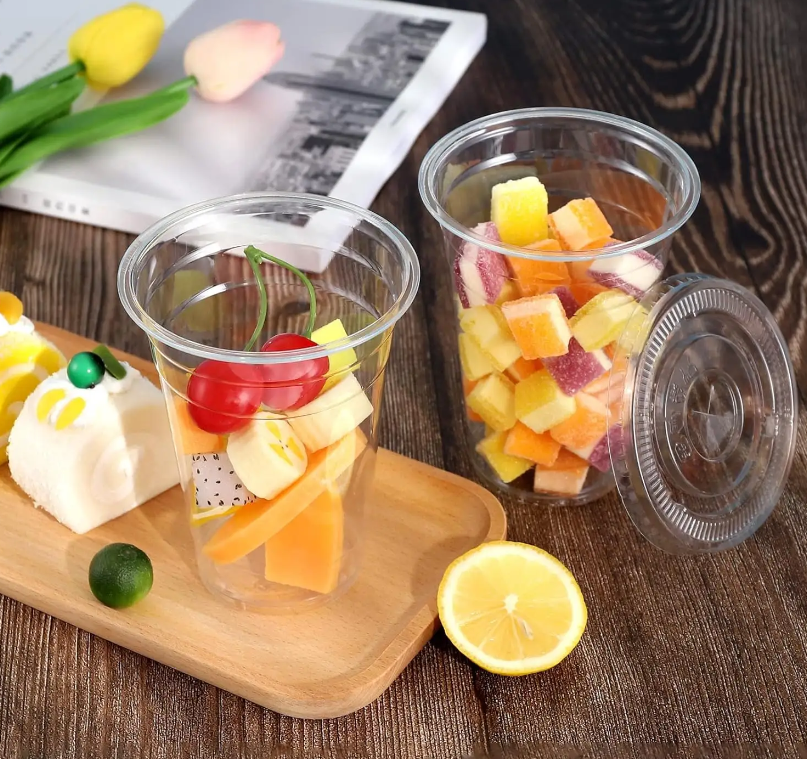
Why Polypropylene Is the Optimal Material for a PP Injection Cup
Food-Grade PP Resin Grades and Regulatory Certifications (FDA, EU 10/2011)
Polypropylene resins approved for food contact meet both FDA regulations (21 CFR §177.1520) and EU standards (Regulation EC No 10/2011), which are widely accepted around the world for materials that touch food products. The testing requirements set by these rules are pretty strict when it comes to what can be extracted from the material. This means there's absolutely no leaching of harmful substances like BPA, phthalates, or heavy metals into food or drinks, even after extended exposure to hot liquids, acidic contents, or fatty substances. Most manufacturers stick strictly to virgin PP resin because they know consumers expect safe products. Third party laboratories actually test this stuff to confirm its purity levels and check how much might migrate into food during normal use. As a result, injection molded cups made from this material can be used multiple times without worrying about breaking any food safety laws or regulations.
Thermal Stability: HDT, Thermal Cycling Performance, and Safe Range (−20°C to 110°C)
The Heat Deflection Temperature of polypropylene goes well above 100 degrees Celsius, which means it can handle contact with boiling water without warping and works great for steam sterilization processes. We're talking about materials that stay strong from minus 20 all the way up to 110 degrees, so they don't crack or break down during those nasty freeze-thaw situations, survive regular trips through commercial dishwashers, and even hold up under autoclave conditions. When put through rigorous thermal shock tests, high quality PP cups actually maintain their shape after thousands upon thousands of cycles – somewhere around 5,000 or more – beating out both PET and PLA options by quite a margin. No wonder hospitals rely on these containers for their trays and airlines serve meals in them too, knowing they won't fail mid-flight.
Chemical & Dishwasher Resistance: Compatibility with Commercial Cleaning Protocols
Polypropylene injection cups stand up pretty well against most industrial cleaning products on the market today. They handle alkaline cleaners with pH levels going all the way up to 12 without issue, plus they work fine with acidic sanitizers down around pH 2 and even those enzyme-based formulas that restaurants love so much. Testing according to NSF/ANSI 51 standards and ISO 22000 shows these cups don't erode after being exposed to alkali solutions 500 times over, and there's basically no weight loss measured across different pH ranges either. When put through actual restaurant conditions, these cups show almost no signs of wear after more than a thousand washes at 82 degrees Celsius. That means replacements happen about 40 percent less often than with other plastics that aren't as tough, which makes them ideal for busy kitchens where equipment gets used constantly day after day.
Structural Design Factors That Extend PP Injection Cup Lifespan
Wall Thickness Optimization: Balancing Stack Load Capacity, Weight, and Fatigue Resistance
Wall thickness around 1.8 to 2.2 mm strikes just the right balance between strength and efficiency. These cups can handle stacking weights from about 50 to 80 kg per square meter inside commercial dishwashers without buckling. At the same time, they use less plastic material which cuts costs and makes them better for the environment. The even distribution of polymer also helps prevent cracks from forming over time. Tests across the industry have found that these specially designed walls cut down on failures caused by stress by roughly 34% compared to cups with uneven walls. Plus, they keep their shape after going through thousands of hot wash cycles as required by FDA standards. What we get is a dishwasher safe cup that won't warp when exposed to extreme heat but still stays light enough to carry comfortably throughout the day.
Crack Propagation Control: Ribbing, Corner Radii, and Recovery Behavior After 5,000+ Reuse Cycles
The way we design shapes helps prevent those tiny cracks from forming in areas that get stressed out the most. When manufacturers add radial rib patterns to their products, they actually spread out impact forces by around 27%, according to ASTM D6110 standards. And rounding off corners to at least 3 millimeters gets rid of those sharp edges that typically start fractures. What makes polypropylene so special is this built-in memory effect that lets it bounce back almost completely after being compressed something medical facilities need when cups face constant handling every day. Independent tests show these redesigned cups only deform by 0.2% or less even after going through 5,000 reuse cycles. That represents a massive 400% boost compared to regular designs during accelerated testing. The result? Hospitals and airlines don't have to replace their cups as often anymore, which saves money and reduces waste over time.
Manufacturing Quality Indicators That Predict PP Injection Cup Longevity
Getting precision right in manufacturing makes all the difference for product lifespan. The best manufacturers keep their mold tolerances really tight, around ±0.05 mm. This attention to detail stops problems like thin spots forming in parts, prevents flash from appearing, and avoids those pesky dimensional inconsistencies that become stress points down the road. Controlling melt temperatures within about ±3°C while managing cooling speeds properly leads to better crystal structure throughout the material and gets rid of those annoying internal voids that just speed up wear and tear. Facilities certified under ISO 9001 standards typically use something called Statistical Process Control (SPC) to watch things like clamp force during production, track how long each cycle takes, and measure cavity pressure levels. All this monitoring helps prevent gradual changes in dimensions over time. After parts come out of the mold, thorough inspections check for three main things that determine whether a part will last or fail prematurely.
- Wall thickness uniformity (±5% variation across the cup body)
- Gate vestige smoothness (no protrusions above 0.1 mm that could initiate cracks)
- Stress-free annealing, minimizing susceptibility to environmental stress cracking
Facilities employing automated optical sorting and 100% leak testing consistently achieve 500+ operational cycles without failure, per independent warewashing validation studies.
Key Manufacturing Quality Indicators
| Indicator | Impact on Longevity | Measurement Standard |
|---|---|---|
| Mold Tolerance | Prevents stress cracks & leakage | ±0.05mm dimensional variance |
| Melt Temp Control | Reduces internal voids & warpage | ±3°C during production |
| Cooling Rate Consistency | Ensures uniform crystallinity | <10% cycle-time deviation |
| Gate Vestige Height | Eliminates fracture initiation points | ±0.1mm surface smoothness |
Real-World Validation: Measuring Reusability and Lifecycle Value of a PP Injection Cup
Field Performance Benchmarks: Average Reuse Cycles Across Cafeterias, Airlines, and Healthcare Facilities
Looking at actual usage patterns helps explain why PP cups last longer in certain settings than others. Cafeterias typically get around 300 to 500 times of reuse before these cups need to be thrown away, but things look different for airlines. The way airlines handle their cups is much gentler and more standardized, so they often see well over 700 cycles. Healthcare facilities actually show the best results overall, with some reaching over 1,000 cycles because these cups can go through autoclaves and follow strict cleaning procedures again and again. When we compare all these industries to regular single-use cups, there's a massive difference. Studies from the Ellen MacArthur Foundation in 2023 found that reusable PP cups cut down on plastic waste by about 89% throughout their entire life cycle compared to disposable options.
Total Cost of Ownership Analysis: Upfront Cost vs. Replacement Savings and Operational Downtime Reduction
A three-year total cost of ownership (TCO) analysis confirms that premium PP injection cups deliver 68% savings despite higher initial investment. The breakeven point occurs at approximately five months:
| Cost Factor | Single-Use Cups | PP Reusable Cups |
|---|---|---|
| Annual Procurement | $11,200 | $2,800 |
| Replacement Frequency | Weekly | Every 18 months |
| Waste Management | $3,400 | $760 |
| Operational Downtime | 56 hours | 12 hours |
Each reuse cycle beyond 250 lowers effective cost-per-use by 0.8¢ and cuts downtime-related productivity losses by 19%. Facilities sustaining 500+ cycles typically report 24% lower annual operational expenditures—driven by reduced labor, logistics, and disposal overhead.
FAQ
What are the benefits of using polypropylene for injection cups?
Polypropylene offers exceptional safety, heat stability, chemical resistance, and mechanical durability, making it a preferred choice for reusable injection cups. It maintains structural integrity and meets stringent food safety standards, making it a reliable material for diverse environments like healthcare and hospitality.
How do polypropylene injection cups compare to other materials in terms of reusability?
Polypropylene injection cups maintain performance across numerous reuse cycles, outperforming materials like PET and PLA in thermal cycling and chemical resistance. These cups offer greater longevity, making them cost-effective and eco-friendly in reducing lifecycle plastic waste.
Are polypropylene injection cups safe for food contact?
Yes, polypropylene used in injection cups meets FDA and EU regulations for food contact. It guarantees no harmful substances leach into food or drinks, making it an ideal choice for repeated use.


