
 EN
EN
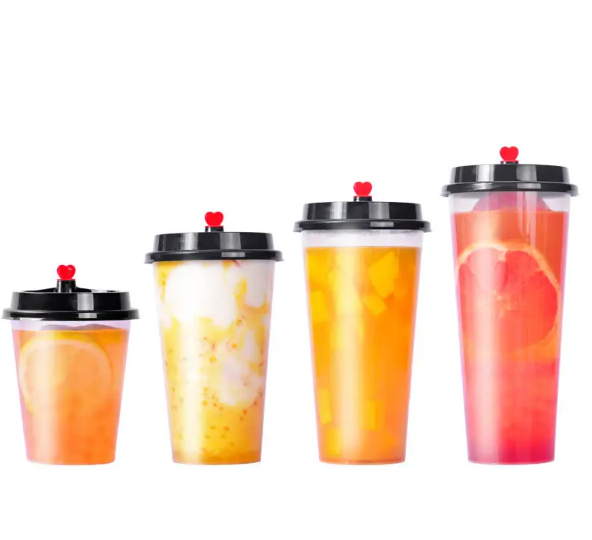
Material Properties and Thermal Performance of PP Injection Cups
Chemical Structure and Food-Grade Safety of Polypropylene
Polypropylene, often called PP, is basically a type of plastic that doesn't react much with other chemicals. This makes it really good at staying put when it comes into contact with food stuffs. The way PP molecules are structured means it meets those important safety standards like the FDA's 21 CFR 177.1520 and the EU's Regulation 10/2011 for food contact materials. What this actually means is that food stored in PP containers won't pick up strange flavors or break down over time, even if we're talking about something as tricky as lemon juice or olive oil. Unlike some cheaper plastics that can let bits of themselves escape into what we eat, PP stays stable. That's why so many companies choose polypropylene for their food packaging needs across supermarkets and restaurants worldwide.
Heat Resistance and Microwave Stability of PP Injection Cups
Polypropylene (PP) injection cups handle heat pretty well, standing up to temperatures as high as 176°F or 80°C. That's actually better than PET which starts to struggle around 160°F (about 71°C). When it comes to homopolymer PP (known as PPH), these materials are tough enough to survive steam sterilization at between 165 and 170 degrees Celsius. This makes them great for things like hot soup containers that need to go back into the microwave multiple times. Some independent tests have shown interesting results too. After being microwaved 30 times in a standard 1000 watt oven, PP keeps about 92% of its original strength. Compare that to PET which tends to start warping and getting all wonky after just five microwave sessions according to research from Polymer Thermal Solutions in 2023.
PP vs. Common Plastics: Strength, Clarity, and Temperature Tolerance
| Property | PP Cups | PET Cups | Key Takeaway |
|---|---|---|---|
| Max Service Temp | 176°F / 80°C | 160°F / 71°C | PP handles hotter liquids safely |
| Impact Resistance | 12.5 kJ/m² | 8.2 kJ/m² | 35% fewer drops break PP cups |
| Clarity | Semi-opaque | Crystal-clear | PET better for cold visuals |
While PET offers superior clarity ideal for cold beverages, PP's higher heat tolerance and impact strength make it more reliable for hot takeaway applications, reducing spillage and container failure during transport.
Balancing Lightweight Design with Durability in Takeaway Use
PP cups have a density around 0.90 to 0.91 grams per cubic centimeter, making them roughly 30 percent lighter than PET while still holding up against crushing forces of about 15 pounds. Manufacturers achieve this impressive combination by using sophisticated injection molding methods that line up the polymer chains just right for maximum strength without adding extra weight. According to recent field data collected from various food truck operators and delivery companies, there's been a noticeable drop in broken containers when switching to PP material. One industry report even mentions a 22% decrease in damage incidents over the past year alone.
Design and Application Flexibility for Catering and Food Service
PP injection cups excel in catering environments due to their adaptable design, meeting the diverse needs of modern food service. Their combination of thermal resilience, durability, and customization supports high-volume operations across both hot and cold applications.
Common Applications: From Hot Soup to Coffee Lids
PP cups work well from freezing cold at -20°C all the way up to 120°C (that's about 248°F), so they handle everything from piping hot soup to greasy chili without issues. These cups don't crack easily when moved around, which means fewer problems getting food from kitchen to customer. Plus, their surfaces resist oil stains pretty effectively. The inside of these cups is also smooth, making them much easier to clean out after each use something that matters a lot in busy restaurants dealing with hundreds of takeout orders every single day.
Customization Options for Branding and Functional Needs
Foodservice operators leverage PP's moldability for brand differentiation and functional improvements:
- Embossed logos on cup sidewalls
- Color-matched lids aligned with brand aesthetics
- Tamper-evident seals featuring recycling instructions
Functional enhancements include reinforced bases for heavy dishes and spill-resistant sip lids for smoothies. According to a menu flexibility analysis, such customizations increase order personalization rates by up to 34% in fast-service settings.
Case Study: Fast-Casual Chains Adopting PP Injection Cups
One regional fast casual restaurant chain saw a big drop in customer complaints about spills when they switched over to these PP cups with those locking lids during their 12 month test run on equipment options. The uniform size of these cups actually worked really well with their automatic drink dispensers, which cut down on how long each order took by around 7 seconds. Looking at what happened after they made the switch, the numbers showed something else too: they were spending 19% less money on disposable packaging than before when they used those old polystyrene containers. Makes sense since plastic isn't as expensive as styrofoam stuff anymore.
Safety, Reusability, and Compliance in Commercial Kitchen Environments
FDA and EU Standards for Microwave-Safe and Reusable PP Containers
Polypropylene (PP) injection cups meet important safety standards including FDA 21 CFR 177.1520 as well as EU Regulation 10/2011. These regulations ensure they're safe for contact with food items even when exposed to temperatures reaching 212 degrees Fahrenheit or 100 degrees Celsius. The testing shows there's absolutely no migration of harmful chemicals into food products whether used in microwaves or stored over extended periods. What's more, polypropylene satisfies NSF/ANSI 51 standards specifically designed for reusable food handling equipment. This means these cups can withstand hundreds upon hundreds of commercial dishwashing cycles without breaking down. Most facilities require around 500 washes before replacement, so this makes them ideal for busy kitchens where durability matters most.
Microwave and Dishwasher Performance: Warping and Longevity Tests
Tests from independent labs indicate that polypropylene cups can survive around 1,200 cycles in commercial dishwashers set to 160 degrees Fahrenheit (about 71 Celsius) while showing less than half a tenth of one percent change in size. This helps keep those lids sealed tight against leaks. But when these cups get exposed to heat above 185 F (around 85 C), they start developing tiny cracks much faster. The result? Their useful life drops by about 40 percent compared to what happens when someone just washes them by hand. Looking at microwaves, polypropylene stays pretty much the same shape until it hits about 220 F (roughly 104 C). Even though oily soups sometimes create little hot areas that reach up to 250 F (about 121 C), most people won't notice any real warping during normal reheating situations.
Debunking Myths: Plastic Leaching and High-Temperature Safety
Many people worry about plastic leaching into food, but polypropylene (PP) actually doesn't release plasticizers until it reaches around 300 degrees Fahrenheit or so. This temperature threshold was confirmed in a study from Cornell University back in 2023 looking at how different plastics hold up when heated. The Food and Drug Administration keeps track of this stuff too, setting strict limits on non-volatile additives at just 0.5%. What does that mean for everyday use? Well, even when we microwave our food in PP containers, the amount of compounds released stays well below what comes out naturally from something as simple as brewing coffee. So overall, PP remains pretty safe for regular kitchen applications despite all the rumors floating around.
Sustainability Challenges and Environmental Impact of PP Cups
Recyclability of PP Injection Cups in Municipal Waste Systems
Even though they're labeled as number five plastic, these polypropylene injection cups still struggle when it comes to getting recycled properly. According to some recent industry findings from last year, barely over a fifth actually make it into proper recycling channels. The main issues? Food residue sticking to them and their super light weight, usually under 15 grams each, makes them really hard to sort through automated systems. Things look somewhat better across Europe where special collection points for PP materials have bumped up recovery numbers to around 34 percent. But over here in America, most recycling initiatives manage only about 18% success rate according to the latest Circular Packaging Report published in 2023.
Lifecycle Analysis: Carbon Footprint from Production to Disposal
PP injection cups generate 0.85 kg CO2e per 100 units from production to disposal–40% less than PET but 22% more than PLA compostables. The breakdown highlights trade-offs between material types:
| Phase | PP Impact (kg CO2e) | PLA Impact (kg CO2e) |
|---|---|---|
| Material Production | 0.52 | 0.29 |
| Manufacturing | 0.18 | 0.35 |
| End-of-Life | 0.15* | 0.10** |
*Assumes 21% recycling **Requires industrial composting access
Data from ScienceDirect Lifecycle Study (2023)
Advancements in Recycled and Biocompatible PP Blends
New developments have made it possible to create post consumer recycled (PCR) PP blends containing around 30% recycled material without affecting how well they handle heat, which is actually double what was achievable back in 2020 when the cap stood at just 15%. A few companies are starting to mix in things like rice husk fibers at about 5 to 8% levels to help them break down better in landfills under certain conditions. This means items that used to stick around for centuries might now disappear within a century instead. The latest formulas can still withstand temperatures up to nearly 100 degrees Celsius but cut down on the amount of brand new plastic needed by roughly a quarter for each individual cup produced.


