
 EN
EN
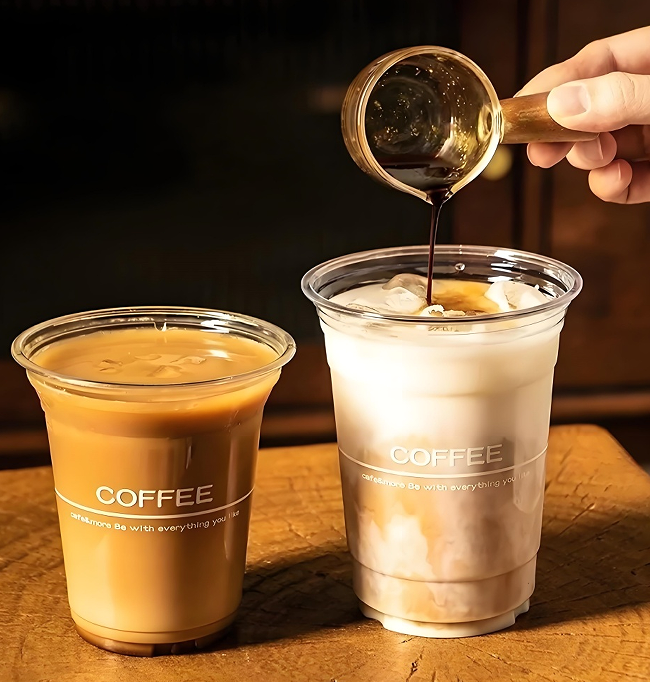
Understanding Plastic Cup Types and Material Options
Selecting the optimal plastic cups requires evaluating material properties against functional needs in food service environments. Three primary polymers dominate commercial use:
- Polypropylene (PP) cups withstand temperatures up to 212°F (100°C), making them ideal for hot beverages like coffee or tea. Their semi-flexible construction resists cracking and provides excellent moisture barriers.
- Polyethylene Terephthalate (PET) offers crystal clarity and superior rigidity—critical for carbonated drinks where CO₂ retention matters. PET is widely accepted in curbside recycling programs, with a national U.S. recycling rate of 29% (PETRA 2023), though contamination remains a challenge.
- Polystyrene (PS) provides insulation for cold beverages but faces severe recycling limitations, with only 6% of PS products reprocessed globally—most end up in landfills due to lightweight fragmentation and lack of infrastructure.
Emerging alternatives include plant-based polylactic acid (PLA) cups, certified compostable under ASTM D6400 or EN 13432 standards when processed in industrial facilities, and reusable polycarbonate (PC) options for high-traffic venues. Material choice directly impacts performance and sustainability—and must align with local waste management capabilities.
| Property | PP | PET | PS |
|---|---|---|---|
| Max Temp | 212°F | 160°F | 185°F |
| Clarity | Opaque | Transparent | Translucent |
| Recyclability | Widely | Widely | Limited |
Leading manufacturers prioritize food-grade resins free of BPA and phthalates. For bulk procurement, balance cost per unit with durability, thermal performance, and end-of-life options—especially where regulations mandate compostable or recyclable packaging.
Key Performance Criteria for Commercial Plastic Cups
In busy restaurants and cafeterias, commercial plastic cups need to strike a good balance between lasting long enough, working properly, and keeping things running smoothly when thousands of drinks are served daily. What kind of plastic they're made from makes a big difference in how well they handle hot beverages without warping and stay strong enough not to crack under pressure. Restaurants have learned the hard way what happens when they skimp on quality cups - spilled coffee all over floors, wasted food products, and staff scrambling to clean up messes during peak hours. Smart operators know that getting cups approved by the FDA for food contact is non-negotiable, but they also look at how many drinks can be served per minute without compromising safety or customer satisfaction.
Temperature Resistance and Leak-Proof Integrity
Plastic cups that work well need to stay strong no matter what temperature they face. Think about how they handle everything from ice cold drinks at around minus four degrees Fahrenheit all the way up to steaming hot liquids at 212 degrees. Polypropylene or PP material is great for keeping hot drinks contained, whereas PET plastics are better suited for colder items. When it comes to avoiding leaks during transportation, check if the cup has those extra thick rims and properly bonded seams. Some testing actually found that cups missing these design elements failed about 15 percent of the time when put through normal usage scenarios. Another thing worth mentioning is condensation resistance since wet surfaces can become slippery really quickly. This becomes especially critical in busy restaurant environments where staff move around constantly with trays full of drinks.
Clarity, Rigidity, and Stackability for Operational Efficiency
Clear containers really make drinks look better on display, and they don't get squished when being handled or used in automatic dispensers. The stackable design saves a lot of space too about 40% less than regular ones that won't nest together. With good sizing, stores can fit over 200 cups in just one square foot of shelf space, which means staff can restock faster when business is busy. All these benefits help cut down on both staffing costs and what restaurants spend on storage, especially important for those tight kitchen spaces where every inch counts.
Sustainability Considerations: Recyclability, Alternatives, and Certifications
PP, PET, and PS—Comparing Environmental Impact and End-of-Life Options
When looking at environmental impact and what happens after use, polypropylene (PP), polyethylene terephthalate (PET), and polystyrene (PS) stand out quite differently. PET stands head and shoulders above the rest when it comes to being recycled. About 29% of those plastic bottles and containers actually get recycled in America according to PETRA's 2023 report. PP isn't bad for lasting power but doesn't do so well when it comes to getting processed again. Then there's PS which hardly ever makes it into recycling streams. This material ends up piling up in landfills because it breaks down into tiny pieces so easily. If companies have access to good recycling systems, going with PET makes sense since it helps build those circular economy models we keep hearing about these days. Businesses that rely heavily on PS need to start thinking about how to phase this stuff out gradually. Not only does it hurt the environment, but there's also growing pressure from regulators that could become problematic down the road.
Certified Compostable Cups and Market-Ready Eco Alternatives
Cups that claim to be compostable, usually made from stuff like PLA or bagasse, actually work as alternatives only if they have those specific certifications (ASTM D6400 or EN 13432) and end up in industrial composting plants. Certifications from groups like BPI or TÜV Austria supposedly back these claims, though they promise complete breakdown in about 12 weeks but only in controlled environments. The catch? Most people don't even know where their local composting options are. According to BioCycle data from 2023, just around 15% of U.S. counties will take compostable packaging at all. When there's no proper composting nearby, going back to basics makes sense. Reusable cup programs still rule the day, or switching to rPET products works pretty well too since we already have established systems for collecting regular plastic waste.
Cost, Sourcing, and Supply Chain Best Practices for Bulk Plastic Cup Procurement
Getting plastic cups at a good price means finding the sweet spot between what they cost and how reliable they are for restaurants and cafes. Buying in big batches usually gets better deals. Most places see their cost per cup drop around 15 to 30% when ordering over 5,000 units, plus it helps avoid running out when business is busy. But don't forget about all the hidden costs too. There's storage space needed, disposal charges, and what happens if cups break or leak? The numbers tell a story here. A study from the Ponemon Institute back in 2023 found that problems with cups can cost businesses about $740,000 each year on average just from interruptions in service. That's why smart operators look at the whole picture instead of just the sticker price.
| Factor | Cost Impact Considerations | Risk Mitigation Strategies |
|---|---|---|
| Material Volume | High-volume discounts but storage costs | Right-size orders to turnover rate |
| Supplier Reliability | Disruption costs ≈ 5x unit savings | Multi-source critical SKUs |
| Quality Consistency | Defect rates impact customer retention | Sample testing for load durability |
When looking at suppliers, transparency about food safety certifications matters a lot. The FDA compliance stuff is important to check, and don't forget to ask for actual documentation too. Those vague eco-friendly claims we see all over the place? They usually hide some serious trade-offs in performance. Building solid relationships with manufacturers who consistently maintain quality standards pays off big time. These kinds of partnerships lead to better collaboration on developing sustainable materials and give companies preferential treatment when there are supply issues. Centralized procurement makes sense from a cost standpoint as well. Standardizing what gets ordered where cuts down on waste and confusion across different locations. Plus, combining freight shipments saves money in the long run. It's worth investing time in setting this up properly.


