
 EN
EN
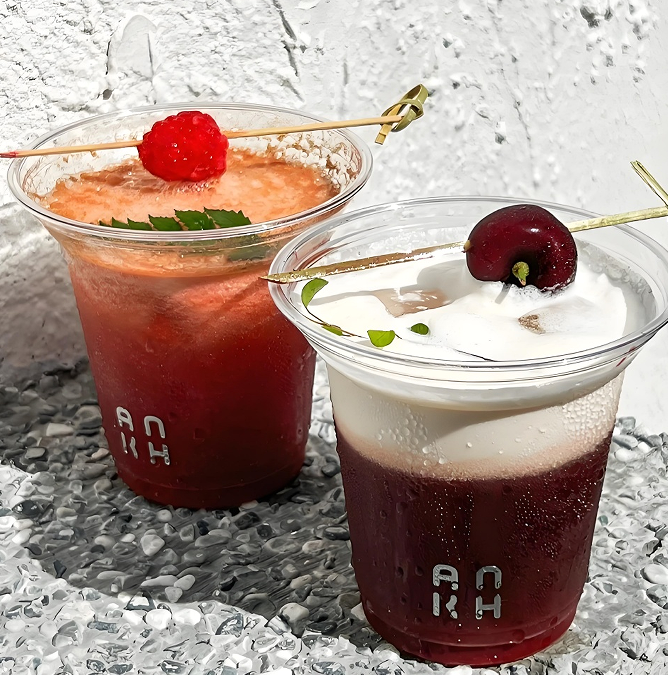
Optical Clarity and Visual Premiumness in PET Cups
90%+ Light Transmission: How Clarity Drives Brand Perception and Social Media Appeal
PET cups that let through more than 90% of light have these super clear walls that really show off what's inside beverages like cold brews, smoothies, and craft sodas without any distortion. People tend to see these clear cups as higher quality products too. According to Packaging Digest from last year, around seven out of ten consumers link this kind of transparency with premium brands. When it comes to sharing on social media, there's actually data showing that Instagram posts with pictures of drinks in transparent PET cups get almost half again as much engagement compared to those with regular opaque cups. Polypropylene cups just don't cut it here since they naturally look hazy, whereas these high transmission PET options mimic glass but won't break if dropped. Cafés and juice bars especially benefit because customers often make spur-of-the-moment purchases when they can clearly see the product's presentation through the cup wall.
Glass-Like Illusion: Consumer Testing Insights on Premiumness Attribution to PET Cup Clarity
Tests with consumers show that how light interacts with packaging matters more than just being clear when it comes to feeling fancy. People actually thought drinks in those super clear PET cups tasted 30 percent more gourmet compared to the same beverage served in containers that looked a bit cloudy. Why does this happen? Well, PET plastic has something called a refractive index. When light goes through these walls that are over 90% transparent, it creates this depth and glow similar to what we see in handmade glassware. The feel also plays into our perception. Stiff PET cups with crisp mold lines give off a luxurious vibe, whereas softer, squishier materials just don't cut it and get labeled as cheap stuff. This whole optical illusion works especially well for products like cold pressed juice or fancy layered cocktails where appearance really sells the experience. Brands can charge more money because customers associate these visual cues with quality, which helps position their product as something special in a crowded market.
Barrier Performance of PET Cups for Sensitive Premium Beverages
Oxygen Transmission Rate (OTR) Comparison: Standard PET vs. rPET vs. Barrier-Coated PET for Cold-Pressed Juice and Kombucha
When oxygen gets into sensitive drinks like cold pressed juice or kombucha, it doesn't take long before nutrients start breaking down and flavors change. The performance of PET cups really depends on something called oxygen transmission rate (OTR), which measures how much oxygen passes through the plastic each day. Regular PET has what we call moderate OTR levels around 5 to 10 cc per square meter per day. That works okay for things that don't sit on shelves very long, but isn't great if we want our drinks to stay fresh longer. Recycled PET tends to be worse because the recycling process actually breaks those polymer chains apart, making the material let in even more oxygen. This means rPET isn't so good for drinks packed with vitamins or probiotics since they get damaged faster. Now comes barrier coated PET though! When manufacturers apply coatings made from materials like silicon oxide or epoxy, they cut down OTR by over 95%. We're talking about getting below 0.5 cc per square meter per day. With such low oxygen leakage, these special cups can keep juices fresh for an extra 3 to 4 weeks without needing refrigeration, maintaining all that precious vitamin C content. Kombucha lovers will appreciate that their beneficial bacteria stays alive too. For high quality beverages where both taste and nutritional value matter, there's simply no better option than barrier coated PET among all the PET based solutions available today.
| PET Type | OTR Range (cc/m²/day) | Shelf Life Extension | Key Limitations |
|---|---|---|---|
| Standard PET | 5–10 | 0–7 days | Limited oxygen blocking |
| rPET | 8–15 | 3–5 days | Structural inconsistencies |
| Barrier-Coated PET | <0.5 | 21–30 days | Higher cost per unit |
Structural Integrity and Tactile Premiumness in PET Cup Design
Wall Thickness & Rib Engineering: Balancing Rigidity, Stackability, and Hand-Feel in High-End PET Cups
The way we engineer structures has a real impact on what customers perceive as premium quality. When manufacturers use specific wall thicknesses between 0.4 and 0.7 millimeters along with those vertical rib patterns, they actually get some pretty good results. The ribs make things about 35% stiffer compared to regular smooth walls, and the overall shape allows products to stack securely without wasting materials. What matters most is how different parts of the product have varying amounts of material. Some areas are thinner where people will hold them for better comfort, while others are thicker at the bottom for stability and that nice elegant look. Recent research from 2023 showed that around two thirds of consumers link those tiny textured surfaces with high end packaging, proving just how much our sense of touch affects how we see brands. For these premium PET cups, structural design goes beyond simple functionality. It turns careful engineering into something people can feel and appreciate, building brand value at every point where someone interacts with the product.
Brand-Differentiating Customization Options for PET Cups
UV Printing, Embossing, and Metallized Finishes: Maximizing Shelf Impact for Premium Cafés and Events
UV printing allows businesses to put detailed, food safe designs onto PET cups without affecting their ability to be recycled, making it great for complex logos or holiday themed artwork. When brands add embossing, they get those subtle raised textures like company symbols or circular patterns that actually make people feel something when they touch the cup, which raises how good quality feels. The shiny, glittery or metal look from metallized finishes really stands out too, studies show around 40% better visibility in busy stores according to Packaging Digest last year. These methods turn regular plastic cups into eye catching brand items that matter a lot for specialty coffee shops, temporary locations, and upscale events where looking different makes all the difference in what customers buy. The special inks stay colorful even under bright lights in displays, and those embossed parts help people remember and recognize brands because they engage multiple senses at once, plus everything still works properly and stays environmentally friendly.


