
 EN
EN
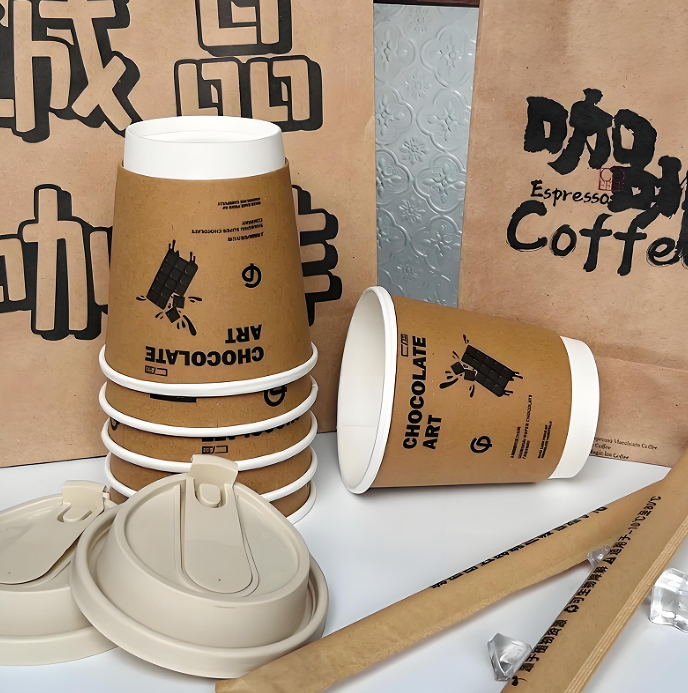
Material Integrity: Heat Resistance, Leak Prevention, and Eco-Claims of Paper Coffee Cups
PE, PLA, and Water-Based Coatings: Performance Trade-Offs for Hot Beverage Containment
Polyethylene or PE is still the go to material for lining those paper coffee cups because it can handle pretty hot stuff, around 90 to 95 degrees Celsius, and keeps drinks from leaking out. But here's the catch: PE doesn't actually get recycled much, which kind of defeats the purpose of all those sustainability pledges we hear about. Then there's this other option called polylactic acid, or PLA for short. Made from corn starch, it breaks down in industrial composting facilities. The problem? It gets really soft when temperatures hit about 60 degrees Celsius, so the seams tend to give way after serving hot beverages for too long. Water based coatings are another possibility since they're generally recyclable, though they need to be applied much thicker than PE to do the same job. Tests have found that regular PE lined cups stay intact for well over 30 minutes with hot liquids inside, whereas PLA versions show about 15% more instances where the seams break apart under similar circumstances. For cafe owners, this means making tough choices between keeping customers safe and meeting green targets. Unfortunately, none of these lining options perfectly balances both concerns without some sort of trade off.
Paperboard Grade, Grammage, and Coating Thickness—How They Directly Affect Cup Durability
Three interdependent material factors determine real-world cup resilience:
- Paperboard grade: Virgin fiber boards (180–230 gsm) resist sogginess 40% longer than recycled alternatives, preserving rigidity and print quality
- Grammage: Cups below 190 gsm show 2.5× higher mid-wall collapse rates when holding 12 oz or more—especially critical for double-walled or high-viscosity beverages
- Coating thickness: PE layers under 15 microns increase leak likelihood by 18% in double-walled designs, where thermal expansion stresses seams more acutely
Optimal durability emerges at 230+ gsm with uniform 18–22 micron PE coating—supporting 20+ minutes of 90°C exposure while retaining ergonomic grip. Thinner coatings may reduce cost but elevate risk of customer-facing failures.
The PLA Compostability Myth: Real-World Cafe Conditions vs. Industrial Facility Requirements
PLA lined cups need pretty strict conditions to actually break down properly in industrial composting facilities. We're talking sustained heat levels between around 55 and 70 degrees Celsius for at least twelve weeks straight. Landfills definitely don't provide those kinds of conditions, which is why PLA just sits there for decades without decomposing. Same story with regular home compost piles too. Even though many products carry compostable labels, the truth is that less than fifteen percent of American cities will take PLA cups because they worry about contamination issues and simply don't have the right equipment set up for processing them. Most PLA waste ends up getting burned or dumped into landfills instead, working exactly like regular plastic does in reality. There's a big disconnect here between what companies advertise and what happens when these items finally reach disposal sites, and this mismatch really damages people's confidence in green claims. Anyone thinking about using PLA materials needs to check first whether their local area accepts them for composting, not wait until after they've already invested in large quantities.
Structural Design: Wall Construction, Thermal Safety, and Ergonomic Reliability
Single-Wall, Double-Wall, and Ripple Wrap: Measured Heat Transfer and Burn Risk Reduction
Regular single wall paper cups don't insulate very well at all. The outside gets really hot pretty fast too - around 85 degrees Celsius just three minutes after someone fills it up. That's way past the 60 degree mark where burns start becoming a real concern. Cups made with two walls work much better because there's an air space between them that keeps things cooler. These double walled versions can keep their surface temps down by about half, so they stay below the dangerous 60 degree level for more than ten whole minutes. Some special ripple wrapped designs take this even further, bringing those peak temperatures down to somewhere between 55 and 60 degrees thanks to clever air channels built into the design and less direct contact with hands. Looking at thermal images from various tests shows these double wall options beat out other types of cups when it comes to keeping customers safe while they're grabbing coffee during busy morning rushes.
No-Sleeve Viability: Balancing Brand Aesthetics, Hand Comfort, and Functional Safety
Getting rid of drink sleeves isn't simply about using thicker paper stock. It takes smart design work behind the scenes. Good sleeveless cups need walls at least 280 grams per square meter thick, those little tapered bottoms that keep them standing upright, plus special coatings that give better grip when wet. But there's a catch according to tests done in factories. Even the best designed cups start feeling hot after holding them for about 90 seconds if they get above 65 degrees Celsius. Cafes that serve really hot drinks like espressos face this problem all the time. For these places, whether sleeveless cups actually work depends on real world numbers like how long customers typically hold their drinks, what the room temperature is like, and how staff handle the cups during service. Looks are important but should never come before making sure people don't burn themselves when drinking from these cups in actual cafe settings.
Operational Compatibility: Size Selection, Menu Alignment, and Regulatory Readiness
Ounce-to-Menu Mapping: Matching Paper Coffee Cup Sizes to Beverage Types and Lid Systems
Cup size selection must align precisely with beverage volume, foam height, lid type, and thermal behavior—not just branding or inventory convenience. Industry-validated mappings include:
- 8 oz: Espresso shots and small macchiatos—paired with low-profile flat lids to prevent splashing
- 12 oz: Cappuccinos and flat whites—optimized for domed lids accommodating 1" foam while maintaining ¥140°F for 35 minutes in double-walled variants
- 16–20 oz: Drip coffee, lattes, and cold brew—requiring wider diameters and reinforced rims to support dome or sip-through lids
Cold drink cups are quite different beasts altogether. They need those special poly-coated versions sized between 16 to 24 ounces, complete with big enough straw holes and walls that fight off condensation buildup. Cafes have found through their operational checks that about one third of all service holdups come down to bad fits between cups and lids. Speaking of regulations, there's that Fluid Ounce Labeling thing everyone has to follow now thanks to updates in the FPLA back in 2024. Basically, every cup needs clear, checkable volume markings that customers can actually see when they grab their drinks. And before introducing any new designs, smart operators run pressure tests on how these cup and lid combos hold up during busy periods when things get really hectic.
Supplier Trustworthiness: Quality Consistency, Certifications, and Supply Chain Resilience
Selecting a dependable paper coffee cup supplier hinges on three non-negotiable pillars:
1. Quality consistency—verified through documented third-party audits (e.g., SGS or Bureau Veritas), batch-level defect tracking, and real-time production controls—not just spot checks. Inconsistent coating application or grammage variance directly correlates with field-reported leakage incidents.
2. Certifications that matter—including ISO 9001 for quality management and FDA food-contact compliance (21 CFR §176.170), which validates migration safety and thermal stability. Claims like “food-grade” without certification lack enforceable standards.
3. Supply chain resilience—assessed via historical on-time delivery rates (>95% recommended), documented contingency plans for pulp or coating shortages, and financial transparency (e.g., Dun & Bradstreet ratings). Instability here carries real cost: 78% of foodservice operators report inventory gaps tied to supplier volatility.
Trusted suppliers don’t just meet specs—they proactively share test data, disclose sourcing origins, and co-develop solutions for evolving menu or regulatory demands. That level of partnership is the strongest safeguard against operational disruption.
Table of Contents
- Material Integrity: Heat Resistance, Leak Prevention, and Eco-Claims of Paper Coffee Cups
- Structural Design: Wall Construction, Thermal Safety, and Ergonomic Reliability
- Operational Compatibility: Size Selection, Menu Alignment, and Regulatory Readiness
- Supplier Trustworthiness: Quality Consistency, Certifications, and Supply Chain Resilience


