
 EN
EN
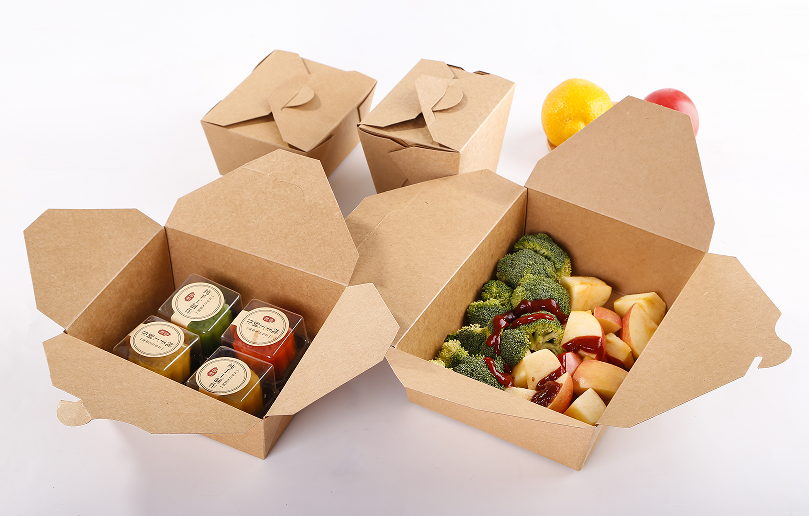
Why Sustainable Food Box Materials Strengthen Brand Trust
How compostable and biodegradable food box materials influence perceived brand authenticity
Using compostable and biodegradable materials for food boxes, such as bagasse or containers lined with PLA, shows businesses care about the environment. People actually notice when their meal comes in packaging made from plants rather than plastic. They see it as something real, not just another marketing gimmick. Research backs this up too – around 7 out of 10 customers say they trust companies more when they go green with their packaging. The feel of these boxes matters too. Most folks find them sturdy yet somehow natural feeling, which makes them feel good about what they're getting while also making them feel better about not contributing to landfills. With all the talk about reducing food waste lately, having packaging that breaks down properly is becoming really important. Companies that offer certified compostable alternatives turn regular takeout orders into small but significant steps toward building customer trust over time.
The trust gap: Why consumers reward eco-materials—but demand proof
About two thirds of customers actually want to eat at places that use eco-friendly takeout containers, yet there's still a big problem with trust. Nearly six out of ten folks think restaurants are just greenwashing when they don't have proper certifications like BPI or TÜV backing up their claims. The confusion comes from all these vague terms floating around. For instance, "biodegradable" means nothing legally speaking, and different companies set their own standards too. Smart businesses bridge this trust issue by combining good materials with honest information about where things come from. Some restaurants publish actual compost tests or tell customers exactly where their packaging was made. When sustainability gets verified properly, it pays off. Restaurants that can show proof tend to get customers back 31% more often according to recent studies. Real customer confidence doesn't just come from picking better materials though. It builds when companies take responsibility throughout the whole process, starting with how they source stuff right through to what happens after the container ends up in someone's hands.
Material Comparison: PLA, Bagasse, Kraft Paper, and Plastic Food Boxes
Performance and perception: Shelf appeal, print quality, and tactile experience of each food box type
Shelf appeal, print quality, and tactile experience shape how consumers interpret your brand. Key distinctions:
| Material | Shelf Appeal | Print Quality | Tactile Experience | Functional Weakness |
|---|---|---|---|---|
| PLA | Modern, transparent | Good (on labels) | Smooth but brittle | Deforms above 50°C (122°F) |
| Bagasse | Natural, textured | Good | Sturdy, slightly coarse | Excellent heat resistance (220°C/428°F) |
| Kraft Paper | Rustic, premium | Excellent | Rigid, sturdy | Limited oil resistance (unless lined) |
| Plastic (PP/PS) | Versatile, clear | Excellent | Smooth but may feel cheap | Non-sustainable; regulatory risks |
Kraft paper really stands out when it comes to making brands pop visually. The sturdy feel and rough texture just scream premium quality to customers. Then there's Bagasse with its natural look that screams eco-friendly. It handles hot dishes like spicy curries just fine, while PLA tends to crack or warp when things get too hot or heavy. Plastic packaging definitely gives designers more freedom creatively, but most people still link it to cheaper products according to Packaging Digest from last year (around 7 out of 10 diners think this way). When choosing materials, restaurants need to balance what their food actually requires against what their brand represents. Things like how well something resists heat, blocks oils, and creates that memorable first impression when someone opens the package all matter together in the real world.
Food Box Design Integration: Turning Packaging into Consistent Brand Expression
When food boxes maintain consistent design throughout, they become brand ambassadors that speak volumes without saying a word. The same colors, logos, and fonts should appear everywhere so people instantly recognize what they're getting. Studies show something interesting here too – around two thirds of shoppers actually connect regular good experiences with brands they stick with longer term. Brands need to keep things looking the same no matter if it's a stiff container or a folded cardboard box, maybe even those little inserts inside. Materials matter too. Think about how different textures feel when someone touches them. A special coating can make plain brown paper look fancy, whereas the rough surface of bagasse just naturally suggests eco friendliness without needing any extra decorations. When customers open these packages, it's not just about seeing the product anymore. They experience the brand's personality through touch and sight in ways that quietly build connections over time.
Strategic Selection: Matching Food Box Material to Target Audience and Brand Values
Premium vs. value positioning: How material choice signals brand tier and audience alignment
The materials used for food boxes send important signals about brand identity beyond mere functionality. When restaurants choose textured kraft paper or molded bagasse for their packaging, they're actually telling customers something about their values. These materials scream premium pricing and environmental responsibility, which appeals to shoppers ready to spend extra money on sustainable options. Some studies suggest people will pay anywhere from 15 to 30 percent more when packaging looks eco-friendly. Plus, these materials take prints better than most alternatives, letting brands showcase their logos and designs with professional quality. The physical feel matters too – durable packaging makes customers think the product inside must be high quality as well. On the flip side, plastic containers tend to signal budget friendliness and practicality, attracting folks who care more about cost than sustainability. Brands need to watch out though. Research published by Packaging Digest back in 2023 found that nearly seven out of ten consumers stop buying from companies where the packaging doesn't match what the brand claims to stand for. Imagine an upscale restaurant serving organic meals but wrapping them in cheap plastic – it just doesn't make sense. Or picture a quick service eatery trying to look fancy with expensive looking kraft boxes. Picking the right materials isn't just about looks. It's about making sure every single box tells the same story about what the business stands for, without any contradictions or mixed messages.


