
 EN
EN
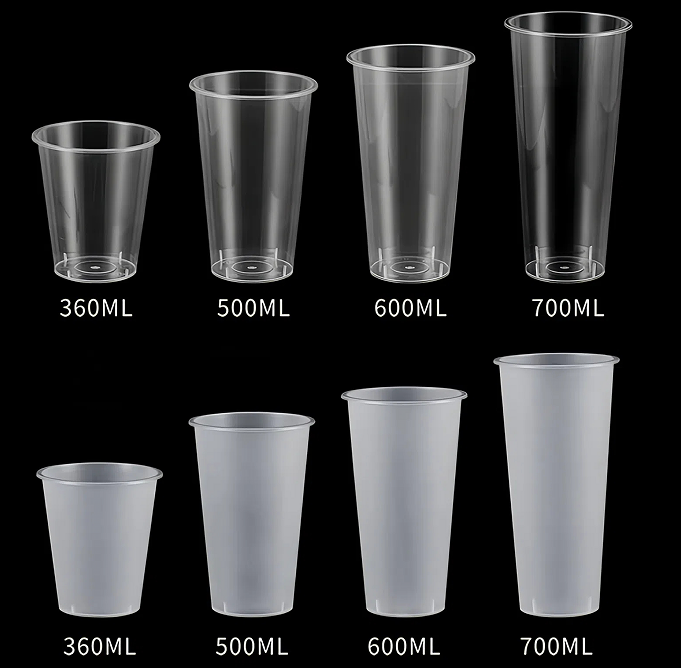
Why Standard PP Injection Cups Fail Under Catering Heat Loads
Melting Point vs. Practical Heat Deflection: The 100°C Reality Check
Regular polypropylene (PP) injection molded cups melt around 160 degrees Celsius, but they really start to struggle when temperatures hit about 80 C. That makes them problematic for restaurants and cafes since most hot beverages come out between 85 to 95 degrees. Normal PP doesn't have enough molecular bonds to stand up to heat like stabilized versions do. When these cups touch something close to boiling point, their sides get all squishy within seconds. This softening affects how customers can hold onto them and causes noticeable warping too. Tests show that even a 15 degree difference from room temperature starts causing shape changes. For places needing reliable containers in hot food service settings, standard PP just won't cut it over time.
Thermal Warpage, Lid Seal Failure, and Leaching Risks Above 85°C
Temperatures exceeding 85°C initiate three interrelated failure modes in standard PP cups:
- Structural warpage: Inconsistent wall thickness amplifies uneven thermal expansion, causing ovalization and base instability
- Seal compromise: Deformed lid channels create micro-gaps, leaking 0.5–2 mL/min of hot liquid
- Chemical migration: Polymer chain destabilization accelerates leaching—particularly of styrene oligomers
Laboratory analysis shows measurable compound release begins at 90°C; leaching rates increase 300% after 10 minutes at 95°C. This degradation poses both scald and spill hazards in fast-paced catering—and raises food safety concerns under sustained thermal exposure.
Key Material Specifications for Reliable Heat-Resistant PP Injection Cups
Not all polypropylene performs equally in hot-beverage applications. Catering requires materials engineered to endure repeated thermal cycling without sacrificing safety or functionality.
Random Copolymer PP vs. Homopolymer: HDT Differences That Matter
Homopolymer PP delivers stiffness but becomes brittle above 85°C. Random copolymer PP incorporates ethylene into the polymer backbone, reducing crystallinity and significantly improving thermal resilience—raising its HDT by 15–25°C. This enables reliable use with boiling liquids (up to 100°C), while also enhancing impact resistance and offering greater clarity.
Key property comparison:
| Property | Homopolymer PP | Random Copolymer PP |
|---|---|---|
| HDT @ 0.45 MPa | 80–90°C | 95–115°C |
| Impact Resistance | Low | High |
| Clarity | Opaque | Translucent |
High-Temperature Modified Grades: Recognizing ASTM D648 Compliance
For extreme conditions—such as steam table holding or direct microwave reheating—specify ASTM D648-certified PP grades. These incorporate mineral fillers or nucleating agents to elevate HDT to 120–135°C while maintaining FDA compliance. Always request third-party test reports verifying ≤1% dimensional change at your intended service temperature.
Food Safety and Regulatory Assurance for Hot-Fill PP Injection Cups
FDA 21 CFR §177.1520 Compliance Under Thermal Stress Conditions
The FDA's regulation 21 CFR §177.1520 puts pretty tight restrictions on how much chemicals can migrate from polypropylene when it comes into contact with food items, particularly when things get warm. We know from research that when these materials are subjected to hot liquids over about 85 degrees Celsius, they tend to release some nasty stuff. Studies have actually found as much as a 40% jump in substances that come out of the plastic at those higher temps according to Food Packaging Forum back in 2023. Just checking if something works at room temperature isn't enough for proper compliance validation. The real test happens when materials are put through their paces at actual working temperatures. For anyone running a catering business, it makes sense to ask suppliers whether they run those accelerated aging tests that mimic all those times containers go through hot filling processes again and again. After all, how stable these materials stay over time is what ultimately decides whether our food stays safe or not.
Design and Manufacturing Quality Indicators for Bulk Catering Use
Wall Thickness Consistency, Gate Location, and Dimensional Stability
Keeping walls at consistent thickness helps avoid problems like overheating spots and warping when containers are filled with hot liquids. If the wall thickness varies more than 5% anywhere, it can really weaken the structure. This is most noticeable around gates where the molten material enters the mold cavity. When resin doesn't flow properly through these areas, it leaves behind stress marks inside the part. Putting gates in the right places makes a big difference too. Good gate positioning cuts down on leftover stresses and keeps parts stable even when temperatures climb past 85 degrees Celsius. Industry tests on how materials react to repeated heating and cooling cycles back this up. Products that stick to dimensional specs about 90 times out of 100 tend to fail much less often in actual usage conditions.
Reusability Limits and Real-World Performance in High-Traffic Events
Bulk catering operations really need cups that can stand up to repeated use, even though some limited reuse might work for smaller setups. The best cups have been tested in commercial dishwashers over 50 times and still look good without warping or losing their seal between cup and lid. That kind of performance shows the manufacturer knows what they're doing with materials and production methods. Looking at real world data from big catering events tells another story too. Cups that maintain at least 95% consistent wall thickness throughout stay fully functional during those long 8 hour service periods. And guess what? When this happens, the rate of cups failing due to heat drops down to under 3%, which makes a huge difference when serving hundreds of people at once.


