
 EN
EN
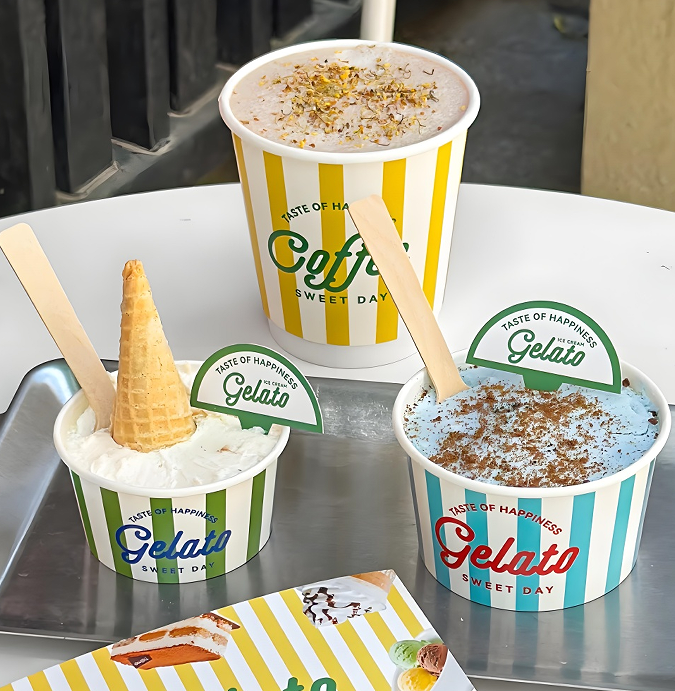
Design and Visual Appeal of the Ice Cream Cup
Color Psychology and Strategic Palette Selection to Reinforce Brand Identity
The colors we pick for our dessert shop really shape how customers see us and remember our brand. Studies show something pretty interesting here too - around 8 out of 10 people say color is what catches their eye first when making a purchase decision according to the Journal of Brand Management last year. Red tones tend to get people excited, which works great for those super rich chocolate or strawberry swirls. Blues on the other hand signal something special, almost fancy. When designing those ice cream cups, matching them to what our brand stands for creates those little mental connections over time. And during special seasons? Trying new color schemes makes sense. Soft pastel shades in springtime just feel right somehow, giving that fresh vibe without confusing regular customers who already know what to expect from us.
Simplicity, Legibility, and Visual Hierarchy for Instant Customer Recognition
Prioritize clean layouts and intentional visual hierarchy to ensure messaging cuts through visual clutter. Key elements include:
- Font legibility: Sans-serif fonts 14pt maintain readability even when condensation forms
- Contrast ratios: Dark text on light backgrounds (or vice versa) improves scanability by 40%
-
Negative space: Isolate your logo and flavor names to accelerate recognition
Overly complex designs reduce brand recall by 60%, per visual processing studies. Minimalist aesthetics—featuring one focal point, such as a single vibrant accent color—perform strongest in crowded retail environments.
Branding, Customization, and Marketing Impact of the Ice Cream Cup
Ensuring Brand Consistency Across Packaging and In-Store Experience
Keeping the look of ice cream cup packaging in line with what customers see when they walk into the shop helps build stronger brand recognition. People tend to remember businesses better when they encounter similar colors, logos, and design elements across both the cups and storefront displays. This consistency creates trust and makes the business appear more professional overall. Research suggests that brands maintaining this kind of visual unity can expect around 23% improvement in customer recall. For ice cream parlors specifically, these cups become part of the store's personality rather than mere throwaway items. The material choice matters too. Matte finish cups work well with cozy, country-style interiors while shiny ones complement sleek contemporary designs, creating a more complete experience for patrons walking through the door.
Custom Printing Options That Boost Social Media Shareability and Customer Engagement
Ice cream cups that look good enough to eat often turn regulars into unofficial brand fans. When stores roll out limited edition designs for holidays or summer vibes, people just can't resist snapping pictures. Studies show around 57 percent of folks will take photos of their food when the packaging looks extra special. The best designs pop with bright colors and contrast so they stand out even in normal light conditions. Some shops now include little surprises like QR codes on the cups that connect to rewards programs. What happens next? Customers start sharing those sweet snaps online, which basically becomes free advertising for the business. Shops that implement these creative strategies typically get about three and a half times more Instagram mentions compared to places sticking with boring old packaging.
Material Safety, Sustainability, and Functional Performance of the Ice Cream Cup
Comparing Food-Grade Materials: Paper, Plastic, Biodegradable, and Reusable Options
Picking the correct material involves finding a sweet spot between keeping food safe, being good for the planet, and how well it actually works. Paper cups are light and cheap but tend to fall apart after sitting around too long or getting soggy from toppings. Plastics such as PET or PP hold up better against leaks even when temperatures swing wildly, although whether they can be recycled really depends on what's available locally. For those wanting something greener, there are biodegradable options now. Materials like PLA made from corn or bagasse derived from sugarcane fibers break down in just a few months if placed in industrial compost facilities. These meet the growing demand for eco-friendly products without sacrificing basic functionality for short periods. Then we have reusable containers made from food grade silicone or polypropylene that cut down on waste completely. However, they need proper cleaning systems in place and generally cost more initially. Dessert shop owners face tough choices here, needing to consider their budgets, what kind of disposal options exist nearby, and ultimately what customers expect from their dining experience.
Portion-Sized Functionality: Matching Ice Cream Cup Capacity to Customer Expectations
When businesses offer different sized ice cream cups, it really affects customer happiness, how well operations run, and ultimately profits too. The standard 4 oz cup works great for individual servings, especially good for kids, fast snacks, or at parties where people grab something quick. Then there's the 8 oz medium size which most shops rely on heavily since it can hold about two or three scoops and lets them set prices clearly between sizes. And let's not forget the big boys. Those 12 oz cups are perfect for fancy sundaes loaded with all sorts of toppings without worrying about melting everywhere. They just stay upright even when packed full. So when thinking about what sizes to carry in store, remember these points matter a lot for any ice cream business looking to succeed.
- Menu alignment: Single-scoop specialists benefit from predominantly small cups, whereas sundae-focused shops need greater capacity flexibility
- Audience demographics: Locations near schools prioritize kid-sized options (3–4oz), while urban grab-and-go spots see stronger demand for 6–12oz servings
- Operational streamlining: Limiting offerings to three or four core sizes reduces inventory complexity by approximately 30%, per packaging efficiency studies
- Profitability levers: Distinct sizes create natural upsell paths—from small to premium portions—without requiring new SKUs
Matching capacity to expectations prevents over- or under-serving: 74% of consumers cite portion accuracy as decisive in repeat purchases (Food Service Insights, 2023). Dessert shops that optimize their ice cream cup sizing strategy balance customer delight with cost-controlled operations and measurable waste reduction.


