
 EN
EN
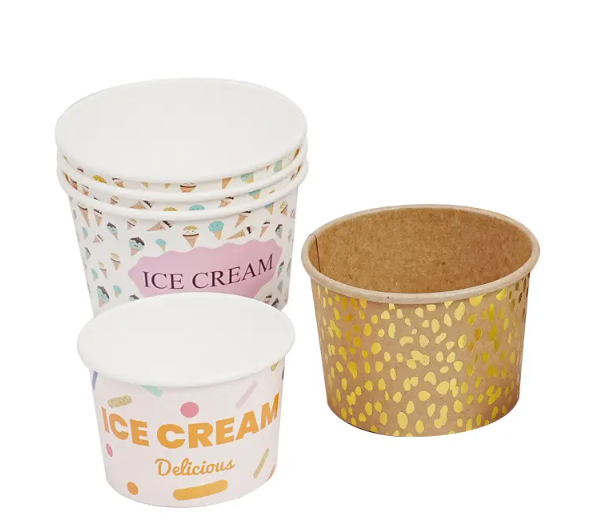
The Importance of Disposable Ice Cream Cups in Modern Dessert Service
Rising Demand for Convenient, On-the-Go Dessert Solutions
Dessert shops just can't do without those single use ice cream cups these days as customers keep changing what they want. According to that Food Industry Report from last year, around two thirds of people care most about getting something quick when buying desserts. So now having grab and go frozen treats isn't just nice to have anymore it's basically what everyone expects. These throw away cups cut down on all the hassle of washing dishes and really speed things up when business is booming at lunchtime or after work. Plus they take up way less room than regular cups we have to clean again and again. We're talking about saving almost half the storage space which makes a huge difference for food trucks, temporary setups, and places that only operate seasonally. And let's not forget how stacking works for transport. The design lets businesses move hundreds of units at once, something that matters a lot at crowded events or busy boardwalk locations where space is always tight.
Enhancing Customer Experience with Functional Ice Cream Cup Design
Disposable cups that are properly designed serve purposes far beyond just holding whatever they contain. They actually help maintain product quality and stop customers from getting frustrated when their drinks get warm or spill. The double wall construction of certain paperboard cups can keep ice cream or frozen beverages solid for around 15 to 20 extra minutes compared to regular cups. And those cups with curved sides and bottom grips? Studies on packaging show these features cut down accidental spills by about a third. All these small design touches turn what would be just another container into something that really improves the overall eating or drinking experience, staying intact whether sitting on a countertop or being consumed right away. Many upscale dessert shops now include built-in spoon holders as part of their cup design, offering added convenience without weakening the cup's strength or stability.
Case Study: How Leading Dessert Chains Leverage Ice Cream Cups
Choosing the right cups can actually make a big difference in how well operations run. A major coffee shop chain saw their average serving time drop by around 20 seconds per person when they started using those slimmer, tapered cups that make it easier to scoop out the product. Meanwhile another company saved nearly 20% on packaging expenses simply by going with standard sizes across all locations while still keeping portions consistent. The branding angle was pretty smart too. Both companies used custom printed cups that looked great on social media. Their Instagram-ready designs helped boost online mentions by almost half. All these small improvements really start adding up when things get busy, which means faster service times and happier customers moving through the line without getting stuck.
Material Choices and Durability in Disposable Ice Cream Cups
Common Materials Used in Ice Cream Cups and Their Functional Benefits
Three materials dominate the market due to distinct performance profiles:
- Plastic (PET/PP): Delivers superior structural integrity and leak resistance, maintaining shape under pressure and flexing without cracking—even at freezing temperatures.
- Paperboard: Offers natural thermal insulation; modern versions feature polyethylene lining for 30–45 minutes of effective melt protection.
- Biodegradable alternatives (PLA/bagasse): Sugarcane- or cornstarch-based PLA decomposes within 180 days in industrial composting facilities, while bagasse provides rigidity comparable to plastic during active use.
Material choice reflects operational priorities: plastic excels in high-moisture, high-volume settings; lined paperboard balances cost, insulation, and sustainability; biodegradables meet growing environmental mandates without sacrificing core functionality.
Real-World Performance: Leak Resistance and Structural Integrity
Leak prevention is non-negotiable—62% of customers cite container failure as their top complaint. Industry stress testing confirms material-level differences:
| Material | Avg. Leak Resistance | Structural Failure Point |
|---|---|---|
| Thick Plastic | 98% (45+ min) | 5 kg compression |
| Lined Paperboard | 89% (30 min) | 3 kg compression |
| Bagasse | 85% (25 min) | 2.5 kg compression |
Plastic’s seamless molding eliminates seam-related weaknesses. Paper and bagasse rely on precise PET or wax lining to resist sogginess—underscoring why manufacturing consistency is critical to real-world performance.
Balancing Lightweight Design with Durability Needs
Thinner walls lower shipping costs by up to 17%, but only when durability isn’t compromised. Optimal performance requires precision engineering:
- Wall thickness calibration: 0.3mm PET maintains rigidity while preserving portability
- Reinforced bases: Waffle-cone-style ribbing prevents bottom blowouts under stacked weight
- Material blending: Hybrid paper-PLA cups achieve 40% lighter weight than pure plastic—without reducing crush resistance
Leading manufacturers now apply finite element analysis to simulate stress points, ensuring cups withstand four times their filled weight—a requirement for safe, stable stacking in busy back-of-house environments.
Sustainability Trends: The Shift to Biodegradable Ice Cream Cups
Growing Market Demand for Eco-Friendly Ice Cream Cups
What people want from their purchases is pushing companies to adopt biodegradable products faster than ever before. According to Shelton Group research from last year, around two thirds of shoppers actually look for brands that use eco friendly packaging materials. This has helped create a market growing at about 17% each year now. For many consumers today, picking between disposable cups isn't just about convenience anymore. They see these choices as making a statement about their values towards the environment. More and more folks are turning away from those regular plastic lined cups which take hundreds of years to decompose in landfills. Dessert shops that switch to alternatives made from plants like sugarcane pulp or bamboo fibers find they stand out from competitors. These green moves build customer trust and loyalty because when a business cares about sustainability, it shows they genuinely care about the planet too.
Environmental Impact of Ice Cream Cups Across the Supply Chain
Conventional petroleum-based cups generate cascading ecological costs:
| Cup Type | Decomposition Time | Carbon Footprint | Recycling Feasibility |
|---|---|---|---|
| Conventional Plastic | 450–1000 years | High | Low (<10%) |
| Biodegradable | 3–6 months | 40% lower | High (Industrial compost) |
Looking at how things get made reveals that regular cups need about double the energy compared to those compostable options out there. Plus, those plastic linings inside them mess up recycling efforts so bad that many end up getting burned instead. And burning these materials? That just lets out all sorts of nasty stuff into the air we breathe. On the flip side, some big name dessert places have started swapping over to these PLA cups, and what do they find? Around 70 percent less waste hanging around their stores after customers finish their treats. So yeah, biodegradable cups seem pretty good for the planet and actually work well when scaled up across operations too.
Cost-Effective Strategies for Adopting Biodegradable Ice Cream Cups
While initial costs run 30–50% higher than traditional plastic, ROI is achievable within 18 months through integrated strategies:
- Securing volume discounts via supplier partnerships on plant-based materials
- Using waste-tracking systems to quantify landfill diversion savings
- Promoting eco-credentials to attract sustainability-focused customers
Early adopters report 22% higher customer retention post-transition. Municipal composting partnerships further reduce disposal expenses—making biodegradable cups not just responsible, but financially resilient.
Customization and Branding with Custom Ice Cream Cups
What Are Custom Ice Cream Cups and Why They Matter
Custom ice cream cups come in all sorts of materials these days - think paperboard, plastic, even eco-friendly options made from plant pulp. They do two main things at once: keep those frozen treats from melting everywhere and turn every scoop into free advertising for the shop. According to some research from Ponemon back in 2023, around seven out of ten people remember brands based on how their packaging looks. So when someone grabs an ice cream cup with cool graphics or funny sayings, it turns what could be just another quick stop into something worth remembering later. The details matter because competition is fierce in the dessert world. Studies show packaging actually affects about a third of buying decisions, so getting this right makes all the difference between standing out or getting lost among the competition.
Strengthening Brand Recognition Through Cup Design
When companies put thought into how they design their cups, those cups become walking advertisements without saying a word. Using consistent brand colors, logos, and recurring visual elements helps people recognize the brand instantly. Research suggests that when packaging stays visually consistent across products, customers remember the brand around 80% better. Special edition designs for holidays or local events create stronger emotional ties with consumers. Think about those cute floral patterns during spring festivals that make folks want to snap photos and share them on social media. These customized cups act like free advertising whenever someone takes one home from a cafe or restaurant. They travel through neighborhoods and appear online, generating real world exposure at no extra cost. Many successful dessert chains now see packaging as part of their overall marketing plan instead of just something tacked on at the end of product development.
Printing and Design Options for Custom Paper Ice Cream Cups
Modern customization offers flexible, brand-aligned techniques:
- Digital Printing: Best for short runs, complex artwork, and timely seasonal themes (e.g., summer beach motifs or winter snowflakes)
- Offset Printing: Most cost-efficient for large batches requiring vibrant, consistent color reproduction
- Embossing/Debossing: Adds premium tactile texture to logo elements, reinforcing quality perception
- Eco-Inks: Water-based pigments deliver vivid branding while supporting sustainability goals
Innovation in cup shapes isn't just about circles anymore. Square, hexagon, and those pretty tulip designs really grab attention on store shelves and help products stand out from competitors. When thinking about seasonal changes to packaging design, there are plenty of interesting options for dessert brands to consider. The ability to switch up visuals during holidays or special partnerships keeps things exciting for consumers without compromising quality. Brands still need to meet strict requirements regarding condensation resistance, weight capacity, and handling temperature changes, but modern materials make this possible even with these creative forms.


