
 EN
EN
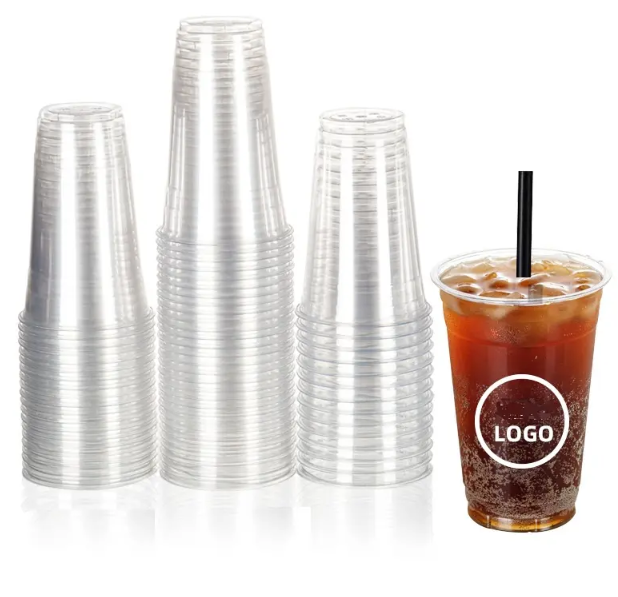
পানীয়ের ধরন অনুযায়ী শীতল পানীয়ের কাপের আকার নির্বাচন
আইসড কফি, সোডা, স্মুদি এবং বাবল টি-এর জন্য আদর্শ আকার
শীতল পানীয়ের কাপের সঠিক আকার নির্বাচন করা ওভারফ্লো রোধ করে, পানীয়ের গুণগত মান বজায় রাখে এবং গ্রাহক অভিজ্ঞতা উন্নত করে। পানীয়ের ঘনত্ব, বরফের পরিমাণ এবং কার্যকরী ব্যবহার (যেমন—চামচ ব্যবহার করা বা পার্ল পাস করা) আদর্শ ধারণক্ষমতা নির্ধারণ করে:
- আইসড কফি ও কোল্ড ব্রু ১৬–২৪ আউন্স কাপগুলি স্বাদ লোপ না করেই প্রচুর বরফ ধারণ করতে পারে—১৬ আউন্স স্ট্যান্ডার্ড পরিবেশনের জন্য উপযুক্ত; ২৪ আউন্স প্রিমিয়াম বা "বড় ব্যাচ" কোল্ড ব্রু পার্সের জন্য উপযুক্ত।
- সোডা ১২–১৬ আউন্স স্ট্যান্ডার্ড অংশ নিয়ন্ত্রণ এবং কার্বনেশন ধরে রাখার সাথে সামঞ্জস্যপূর্ণ; ২০+ আউন্স বিকল্পগুলি পুনরায় ভর্তি-বান্ধব বা শেয়ার করার ফরম্যাটের জন্য উপযুক্ত, যখন ঢালাইয়ের সময় ফেনা হারানো কমিয়ে দেয়।
- স্মুথি ২০–২৪ আউন্স পাত্রগুলি ঘন মিশ্রণ, স্তরিত টপিংস (গ্রানোলা, ফল) এবং চামচ ঢোকানোর জন্য পর্যাপ্ত স্থান প্রদান করে—যা টেক্সচার সংরক্ষণ এবং গ্রহণযোগ্যতা নিশ্চিত করতে অত্যাবশ্যক।
- বাবল চা ১৬–২৪ আউন্স আকার তরল আয়তন, ট্যাপিওকা মুক্তো (যা জলযুক্ত হওয়ার পর প্রায় ৩০% প্রসারিত হয়) এবং ০.৫ ইঞ্চি মাথার স্থান—যা ঝাঁকুনি বা পরিবহনের সময় ঢাকনা ছিটকে যাওয়া রোধ করে—এর মধ্যে ভারসাম্য বজায় রাখে।
তিনটি মূল আকার—১২ আউন্স, ১৬ আউন্স এবং ২০ আউন্স—এর উপর মানকীকরণ করলে শীতল পানীয়ের ৯৫% এর বেশি চাহিদা পূরণ হয়, যার ফলে ইনভেন্টরি, অর্ডারিং এবং পয়েন্ট-অফ-সেল কনফিগারেশন সহজ হয়ে যায়। ঘন বা মুক্তো-সমৃদ্ধ পানীয়ের জন্য বৃহত্তর কাপগুলি প্রস্তুতিকালীন মিক্সার উচ্ছ্বাস কমিয়ে দেয়, যা দৃশ্যগত আকর্ষণ এবং সামঞ্জস্য রক্ষা করে।
কিভাবে আয়তন, মুখের প্রস্থ এবং ঢাকনা/স্ট্র সামঞ্জস্যতা ব্যবহারকারীর অভিজ্ঞতাকে প্রভাবিত করে
আয়তন, খোলার ব্যাস এবং বন্ধ করার ডিজাইন—এই তিনটি একত্রে ব্যবহারযোগ্যতা নির্ধারণ করে—শুধুমাত্র ধারণক্ষমতা নয়।
আয়তন এটি ধারণাগত মূল্য এবং বহনযোগ্যতাকে প্রভাবিত করে: অপর্যাপ্ত পরিমাণে পূর্ণ কাপগুলি সংকটের ইঙ্গিত দেয়; অতিরিক্ত পরিমাণে পূর্ণ কাপগুলি ধরার সুবিধা হ্রাস করে এবং ছিটকে পড়ার ঝুঁকি বাড়ায়।
-
মুখের প্রস্থ কার্যকরী নমনীয়তা নির্ধারণ করে:
৯০ মিমি খোলা চামচ ব্যবহার এবং স্তরযুক্ত স্মুদি তৈরির জন্য উপযুক্ত
- ৮০–৯০ মিমি বরফযুক্ত কফির জন্য গম্বুজাকার ঢাকনা এবং স্ট্যান্ডার্ড স্ট্র ব্যবহারের জন্য উপযুক্ত
- <৮০ মিমি কার্বনেটেড সোডা পানীয়ের জন্য ছিটকে পড়া কমায় এবং ঢাকনার সীল অখণ্ডতা উন্নত করে
পানীয় যাতে সর্বত্র টপকে না যায়, তার জন্য ঢাকনা ও স্ট্র এর সঠিক সংমিশ্রণ অত্যন্ত গুরুত্বপূর্ণ। বিশেষ করে বোবা চা-এর ক্ষেত্রে, ঐ ছোট ছোট মুক্তোগুলি সঠিকভাবে পাস হতে হলে স্ট্র-এর মধ্য দিয়ে অন্তত ১২ মিমি ব্যাসের খোলা প্রয়োজন। সাধারণ ৮ মিমি ঢাকনা এই উদ্দেশ্যে উপযুক্ত নয়, কারণ এগুলি চিবোনোযোগ্য মুক্তোগুলির দ্বারা অবরুদ্ধ হয়ে যায়, কাপের ভিতরে চাপ বৃদ্ধি পাযায় এবং শেষ পর্যন্ত সবকিছুতে পানীয় টপকে পড়ে। সমাধান কী? তাপ-সীল করা ঢাকনা পুরনো ধরনের চাপ দিয়ে লাগানো ঢাকনার তুলনায় অনেক ভালো কাজ করে—যা এখনও অনেক স্থানে ব্যবহৃত হয়। গবেষণায় দেখা গেছে যে, এই তাপ-সীল করা ঢাকনাগুলির ব্যর্থতার হার প্রায় ৭০% কম। আর যদি কেউ কাপের প্রান্তের আকারকে ঢাকনার ব্যাসের সাথে সঠিকভাবে মিলিয়ে নেয়, তবে ফোঁটা বের হওয়া বা পরিবহনকালীন ঘনীভূত জলীয় বাষ্পের ফাঁক দিয়ে প্রবেশের জন্য কোনো স্থানই অবশিষ্ট থাকে না।
বাস্তব জীবনের বিভিন্ন পরিস্থিতিতে শীতল পানীয়ের কাপের কার্যকারিতা
জুস বার ও স্মুথি চেইন: লিক প্রতিরোধ ও গ্রিপ অগ্রাধিকার
আসাই বোল, প্রোটিন শেক এবং ব্লেন্ড করা জুসের মতো ঘন ও উচ্চ সান্দ্রতার পানীয় কাপের কার্যকারিতার উপর বিশেষ চাহিদা তৈরি করে। কাঠামোগত দৃঢ়তা, ফুটো রোধ এবং স্পর্শজনিত নিরাপত্তা অত্যন্ত গুরুত্বপূর্ণ—বিশেষ করে আর্দ্র ও উচ্চ ঘনীভবনযুক্ত পরিবেশে, যেখানে পিচ্ছিল পৃষ্ঠ দুর্ঘটনার ঝুঁকি বাড়িয়ে তোলে।
পিছলে যাওয়া রোধকারী, দ্বৈত-সীলযুক্ত শীতল পানীয়ের কাপ ব্যবহার করা প্রতিষ্ঠানগুলি পীক সার্ভিস সময়ে গ্রাহকদের দুর্ঘটনার ঘটনা ৩০% কম রিপোর্ট করে। প্রধান বৈশিষ্ট্যগুলি হলো:
- ঘন তরলের জন্য নকশা করা দ্বৈত-সীলযুক্ত, বিকৃতি-সূচক ঢাকনা
- আর্দ্র বা শীতল হাতেও নিরাপদ ধরে রাখার জন্য আকৃতিবদ্ধ ও টেক্সচারযুক্ত গ্রিপ
- ভিড়ে থাকা কাউন্টার বা সংকীর্ণ প্রস্তুতি স্টেশনে উল্টে যাওয়া রোধ করার জন্য প্রশস্ত ও স্থিতিশীল ভিত্তি
এই বৈশিষ্ট্যগুলি সরাসরি কার্যক্রমের বিশ্বস্ততা এবং ব্র্যান্ড ধারণাকে সমর্থন করে—লিক-মুক্ত পানীয় প্রথম চুমুকেই গুণগত প্রত্যাশা শক্তিশালী করে।
ফুড ট্রাক ও পপ-আপ: টিকে থাকার ক্ষমতা, স্ট্যাক করার সুবিধা এবং ব্র্যান্ড-প্রস্তুত শীতল পানীয়ের কাপের ডিজাইন
মোবাইল সার্ভিস মডেলগুলি স্থিতিস্থাপকতা, স্থান দক্ষতা এবং ব্র্যান্ডিংয়ের উপযোগিতাকে অগ্রাধিকার দেয়। কাপগুলি বিকৃতি বা মুদ্রণের ক্ষতি ছাড়াই কম্পন, তাপমাত্রা পরিবর্তন এবং ঘন ঘন হ্যান্ডলিং সহ্য করতে হবে।
আঘাত-প্রতিরোধী উপকরণগুলি পুনরাবৃত্ত লোডিং চক্র সহ্য করতে পারে—ক্ষেত্র পরীক্ষায় দেখা গেছে যে টেকসই ডিজাইনগুলি সাধারণ বিকল্পগুলির তুলনায় কাঠামোগত ব্যর্থতা ঘটানোর আগে প্রায় ৩ গুণ বেশি হ্যান্ডলিং সহ্য করতে পারে। নেস্টেড স্ট্যাকযোগ্যতা ছোট যানবাহনে সংরক্ষণের জন্য প্রয়োজনীয় স্থানকে পর্যন্ত ৬০% পর্যন্ত কমিয়ে দেয়। ব্র্যান্ডিংয়ের জন্য:
- অফসেট-মুদ্রিত পৃষ্ঠগুলি প্রান্ত থেকে প্রান্ত পর্যন্ত উজ্জ্বল লোগো দৃশ্যমানতা প্রদান করে
- মানকৃত মাত্রা যানবাহন-মাউন্টেড কাপ ডিসপেন্সারগুলির সাথে নিরবচ্ছিন্ন একীকরণ নিশ্চিত করে
- দাগ-প্রতিরোধী কোটিংগুলি পুনরাবৃত্ত হ্যান্ডওভার এবং বাইরের পরিবেশের সংস্পর্শে থাকার সময় দৃশ্যমান প্রভাব বজায় রাখে
এই সংমিশ্রণটি একটি অস্থায়ী পরিবেশেও একক ব্যবহারের কাপগুলিকে সুস্পষ্ট, উচ্চ-দৃশ্যমান ব্র্যান্ড টাচপয়েন্টে রূপান্তরিত করে।
শীতল পানীয়ের কাপের উপাদান বিজ্ঞান: কোটিং, নিয়মাবলী মেনে চলা এবং শীতলীকরণ-জনিত জলীয় বাষ্প নিয়ন্ত্রণ
মোম, পিই, পিএলএ, এবং জল ভিত্তিক লেপ ঠান্ডা ধরে রাখা এবং এফডিএ সম্মতি তুলনা
লেপ নির্বাচন তাপীয় কর্মক্ষমতা, আর্দ্রতা ব্যবস্থাপনা, নিয়ন্ত্রক সম্মতি এবং টেকসইতা পরিচালনা করে - প্রতিটি বাণিজ্য বাস্তব বিশ্বের পরিণতি বহন করে।
- মোম আবরণ ঠান্ডা পানীয়ের সাথে যোগাযোগের জন্য এফডিএ প্রয়োজনীয়তা পূরণ করে এবং মাঝারি ঘনীভবন প্রতিরোধের প্রস্তাব দেয় তবে বিশেষত অ্যাসিডিক সাইট্রাস জুসের বিরুদ্ধে স্থায়িত্বের অভাব রয়েছে, যা ডেলামিনেশনকে ত্বরান্বিত করে।
- পলিথিন (পিই) রিং এটি সর্বাধিক শক্তিশালী আর্দ্রতা বাধা প্রদান করে, যা মোমের তুলনায় 20-30% ঠান্ডা ধরে রাখে। এগুলি এফডিএ-সম্মত এবং উচ্চ আর্দ্রতার পরিবেশে ব্যাপকভাবে ব্যবহৃত হয় যেমন জুস বারগুলি কিন্তু তাদের অ-বায়োডেগ্রেডেবিলিটি পরিবেশগত শংসাপত্রগুলিকে সীমাবদ্ধ করে।
- PLA (পলিল্যাকটিক অ্যাসিড) পুনর্নবীকরণযোগ্য কর্ন স্টার্চ থেকে প্রাপ্ত লেপগুলি শিল্পগতভাবে কম্পোস্টেবল এবং এফডিএ-র অনুমোদিত। যদিও PE এর সাথে 15% এর মধ্যে নিরোধক পিছনে রয়েছে, তবে তারা সুরক্ষা হ্রাস না করে জীবনের শেষের দায়িত্বকে অগ্রাধিকার দেয় এমন জায়গাগুলির জন্য উপযুক্ত।
- জলভিত্তিক প্রলেপ মাইক্রোপ্লাস্টিকস সম্পূর্ণরূপে অপসারণ করুন এবং মোম-স্তরের তাপমাত্রা স্থিতিশীলতা অর্জন করুন, যা কর্মক্ষমতা ও পরিবেশগত দায়িত্ব উভয়ই লক্ষ্য করা ব্র্যান্ডগুলির জন্য একটি বর্ধিষ্ণু পছন্দ হয়ে উঠেছে।
সমস্ত FDA-অনুমোদিত কোটিং-এর শীতল তাপমাত্রায় (<40°F / 4°C) পরিচালিত পরিবহন পরীক্ষা পাস করতে হবে যাতে পানীয়ে কোনও রাসায়নিক স্থানান্তর না ঘটে তা নিশ্চিত করা যায়। প্রয়োগের প্রেক্ষাপট নির্বাচনকে নির্দেশনা দেবে: কার্যকারিতা-গুরুত্বপূর্ণ অপারেশনের জন্য PE, কম্পোস্টিং অবকাঠামোর জন্য PLA, বাজেট-সীমিত লঞ্চের জন্য মোম, এবং সামগ্রিক টেকসই উদ্দেশ্যের জন্য জল-ভিত্তিক সিস্টেম।
তাপ অবরোধ ও গঠনগত অখণ্ডতা: একক-দেয়াল বনাম দ্বৈত-দেয়াল শীতল পানীয়ের কাপ—কখন কোনটি গুরুত্বপূর্ণ?
কাপের দেয়ালের গঠন ব্যবহারকারীর আরাম, পানীয়ের স্থায়িত্ব এবং ব্যাক-অফ-হাউস দক্ষতা নির্ধারণ করে।
এক-ওয়াল কাপ হালকা এবং অর্থনৈতিক—উৎসব বা দ্রুত-সেবা কিওস্কের মতো সংক্ষিপ্ত সময়ের জন্য উচ্চ-পরিবর্তনশীল পরিবেশের জন্য আদর্শ। তবে, এগুলি খুব কম তাপ রোধকতা প্রদান করে: বাইরের পৃষ্ঠে ঘনীভূত জল দ্রুত গঠিত হয়, যা পিছলানোর ঝুঁকি বাড়ায় এবং সময়ের সাথে সাথে কার্ডবোর্ডের গঠনগত শক্তি কমিয়ে দেয়। এদের পাতলা দেয়ালগুলি স্ট্যাকিং বা পরিবহনের সময় সহজেই চিপে যায়।
ডাবল-ওয়াল কাপ , যার স্তরগুলির মধ্যে বায়ু বা ভ্যাকুয়াম ফাঁক রয়েছে, উল্লেখযোগ্য সুবিধা প্রদান করে:
- বাইরের ঘাম ছাড়াই ৪+ ঘণ্টা ধরে শীতল তাপমাত্রা বজায় রাখে
- ভার বহনের সময় চূর্ণ হওয়ার বিরুদ্ধে প্রতিরোধ করে—ডেলিভারি ব্যাগ এবং স্ট্যাক করা অর্ডারের জন্য অত্যন্ত গুরুত্বপূর্ণ
- নিরপেক্ষ হাতের অনুভূতি প্রদান করে, একক-দেয়াল সংস্পর্শের কারণে হঠাৎ 'বরফের ঝাঁকুনি' এড়ায়
- তাপ রোধক স্লিভ ব্যবহারের প্রয়োজন ঘটায় না, যা উপকরণ অপচয় এবং শ্রম উভয়ই কমায়
| বৈশিষ্ট্য | একক-দেয়াল শীতল পানীয়ের কাপ | ডাবল-ওয়াল শীতল পানীয়ের কাপ |
|---|---|---|
| আইন্সুলেশন | সীমিত তাপমাত্রা ধরে রাখার ক্ষমতা | দীর্ঘস্থায়ী শীতলতা ধরে রাখা (৪+ ঘণ্টা) |
| ঘনীভবন | উচ্চ পৃষ্ঠ আর্দ্রতা | প্রায়-শূন্য "ঘাম" |
| স্থায়িত্ব | দাগ বা ভাঙনের ঝুঁকিতে | উন্নত চূর্ণন প্রতিরোধ |
| হাতের আরাম | অত্যধিক শীতল অনুভূত হতে পারে | সামঞ্জস্যপূর্ণ নিরপেক্ষ স্পর্শ |
| জন্য সেরা | উচ্চ-আয়তনের ইভেন্ট <৩০ মিনিট | প্রিমিয়াম ব্র্যান্ডিং, দীর্ঘ সময় ধরে ধরে রাখা |
কার্যক্রমগতভাবে, একক-দেয়াল কাপগুলি ইনভেন্টরি সহজতর করে তোলে, কিন্তু প্রায়শই দ্বিতীয় স্থিতিশীলতা (যেমন, ডাবল-স্ট্যাকিং বা স্লিভ ব্যবহার) প্রয়োজন হয়। ডাবল-ওয়াল ডিজাইনগুলি ফাংশনগুলিকে একটি উপাদানে একত্রিত করে—তাপ অবরোধ, শক্তি এবং উপস্থাপনা—যা টেকসই উদ্দেশ্য এবং উন্নত অতিথি অভিজ্ঞতা উভয়কেই সমর্থন করে।
সাধারণ জিজ্ঞাসা
সর্বোত্তম আকারগুলি পানীয়ের ধরন অনুযায়ী ভিন্ন হয়: বরফযুক্ত কফি (১৬–২৪ আউন্স), সোডা (১২–১৬ আউন্স বা ২০+ আউন্স), স্মুদি (২০–২৪ আউন্স) এবং বাবল টি (১৬–২৪ আউন্স)।
ডাবল-ওয়াল কাপগুলি দীর্ঘ সময় ধরে ঠাণ্ডা তাপমাত্রা বজায় রাখে, ঘনীভূত জলের সৃষ্টি রোধ করে এবং অতিরিক্ত টিকে থাকার ক্ষমতা প্রদান করে, যা দীর্ঘ সময় ধরে রাখার জন্য এবং প্রিমিয়াম অভিজ্ঞতার জন্য আদর্শ।
বিভিন্ন কোটিং বিভিন্ন সুবিধা প্রদান করে: মোম মাঝারি সুরক্ষা প্রদান করে, পলিইথিলিন (PE) শক্তিশালী আর্দ্রতা বাধা প্রদান করে, PLA কম্পোস্টযোগ্য এবং জল-ভিত্তিক কোটিংগুলি পরিবেশগত কার্যকারিতা উন্নত করে।
ববা চা-এর জন্য, মুক্তভাবে পার্লস পাস করার জন্য এবং অবরোধ এড়ানোর জন্য ১২ মিমি স্ট্র খোলার আকার অত্যাবশ্যক, যখন তাপ-সীল করা ঢাকনা দ্রব্যটির লিকেজ কমিয়ে পানীয়ের গুণগত মান বৃদ্ধি করে।
সূচিপত্র
- পানীয়ের ধরন অনুযায়ী শীতল পানীয়ের কাপের আকার নির্বাচন
- বাস্তব জীবনের বিভিন্ন পরিস্থিতিতে শীতল পানীয়ের কাপের কার্যকারিতা
- শীতল পানীয়ের কাপের উপাদান বিজ্ঞান: কোটিং, নিয়মাবলী মেনে চলা এবং শীতলীকরণ-জনিত জলীয় বাষ্প নিয়ন্ত্রণ
- তাপ অবরোধ ও গঠনগত অখণ্ডতা: একক-দেয়াল বনাম দ্বৈত-দেয়াল শীতল পানীয়ের কাপ—কখন কোনটি গুরুত্বপূর্ণ?


