
 EN
EN
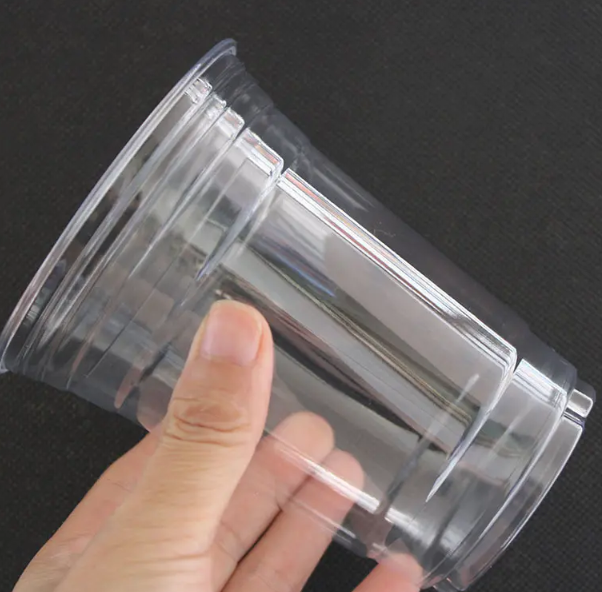
FDA-Approved Safety and Chemical Inertness of PET Plastic Cups
Food-Grade Certification Under FDA 21 CFR §177.1630 and Global Equivalents
PET plastic cups meet FDA regulations under 21 CFR section 177.1630, which is considered the benchmark for materials used repeatedly in contact with food. To get this approval, manufacturers must go through extensive testing processes that check whether any harmful chemicals might leach into drinks over time. The certification basically proves that PET remains chemically stable when used for cold beverages at temperatures below 120 degrees Fahrenheit (about 49 Celsius). This means there's no need for extra protective coatings on these cups. Similar green lights have been given by regulatory bodies across Europe through EFSA standards as well as Health Canada guidelines, showing that PET's safety profile holds up internationally. These multiple layers of approval give both consumers and businesses confidence in using PET products for everyday drinking needs.
BPA-Free, Phthalate-Free, and Non-Leaching Barrier Performance with Cold Foods
PET plastic doesn't contain BPA or phthalates those chemicals that have raised red flags in some other plastics over the years. What makes PET stand out is its crystal-like structure which actually stops chemicals from moving into food products, even when storing things as tricky as citrus based smoothies or creamy iced coffees that sit in containers for hours. Tests conducted by third party labs consistently find extractable substances at levels under 0.01%, way beneath what the FDA considers safe. Plus, the material's natural resistance to water means drinks stay tasting fresh without picking up weird flavors from the container itself. This matters a lot for companies looking to maintain quality standards across their product lines.
Clarity, Durability, and Functional Design Advantages of PET Plastic Cups
Crystal-Clear Aesthetics and Gloss Retention That Elevate Brand Presentation
PET offers a clearness similar to glass that really brings out the layers in drinks, makes colors pop, and shows off those little details in ingredients. The package stays clean looking even after sitting on shelves for ages without getting foggy or cloudy. Brands love this because research indicates people are about 30 percent more likely to grab something when they can see through the packaging, especially for things where looks matter a lot like yogurt parfaits or fancy drinks. Plus, the shiny surface helps create that upscale feel customers associate with quality products. Logos look much better too since there's no distortion or weird reflections messing them up.
Shatter Resistance and Stackable Rigidity for High-Volume Food Service Use
PET cups don't break like glass or brittle plastic when they get bumped around, which makes them really useful in busy places like sports arenas or drive through windows. We're talking about a big deal since damaged items from mishandling make up roughly 23 percent of all lost serveware according to industry data from 2023. These cups can stack much higher than those made from polystyrene materials too something like almost triple the height actually which saves space in storage areas by about forty percent give or take. Plus, even when kept cold in fridges, PET maintains its form so logos stay visible, drinks won't spill out, and everything works properly when business is at its busiest.
Optimal Performance in Cold Applications – Why PET Plastic Cups Excel Below 120°F
PET works really well for cold stuff since the molecules don't fall apart when it gets chilly unlike PP plastic that turns brittle when things get close to freezing temps. Cups made from PET stay strong even when they're packed full of ice cream drinks, slush pops, or anything else super cold, so there's no cracking or breaking when someone picks them up. The clear look stays good too, so whatever is inside looks nice and clean even after sitting in the fridge. Here's something important though: PET starts getting soft around 160 degrees Fahrenheit according to Impact Plastics data, so these cups aren't great for coffee or tea but work perfectly fine for anything cold where the material needs to hold up below about 120 degrees. That means no sweating through hands and definitely no leaks when serving frozen treats.
Recyclability, Sustainability Realities, and End-of-Life Considerations for PET Plastic Cups
SPI #1 Recyclability vs. Collection Infrastructure Gaps and Circular Economy Progress
Plastic cups made from PET have that familiar SPI #1 recycling logo, which actually means they can be recycled pretty well technically. The material doesn't lose much quality when it goes through multiple recycling cycles, so these cups often end up back in things like packaging materials or even clothing fabrics. But here's the catch: just about 29% of all PET packaging makes it into proper recycling channels according to the 2023 Circular Economy Report. Why? Because collection systems are still hit or miss, particularly in places like parks, office buildings, and apartment complexes where people tend to toss their cups. To fix this problem, many regions are rolling out Extended Producer Responsibility programs that put special recycling bins right where people need them most and try to standardize how different materials should be sorted. Some newer recycling centers have invested in fancy AI technology that can spot PET resin codes at lightning speed, handling around 2,500 items every minute and making those big bales of recycled material much cleaner. However, everything comes down to what consumers do too. When cups get mixed with other garbage, it drives up processing costs by roughly 40%. Getting everyone on board requires real teamwork among companies producing these products, local waste management services, and city governments working together to build better infrastructure and encourage more people to participate in recycling efforts.
Table of Contents
- FDA-Approved Safety and Chemical Inertness of PET Plastic Cups
- Clarity, Durability, and Functional Design Advantages of PET Plastic Cups
- Optimal Performance in Cold Applications – Why PET Plastic Cups Excel Below 120°F
- Recyclability, Sustainability Realities, and End-of-Life Considerations for PET Plastic Cups


