
 EN
EN
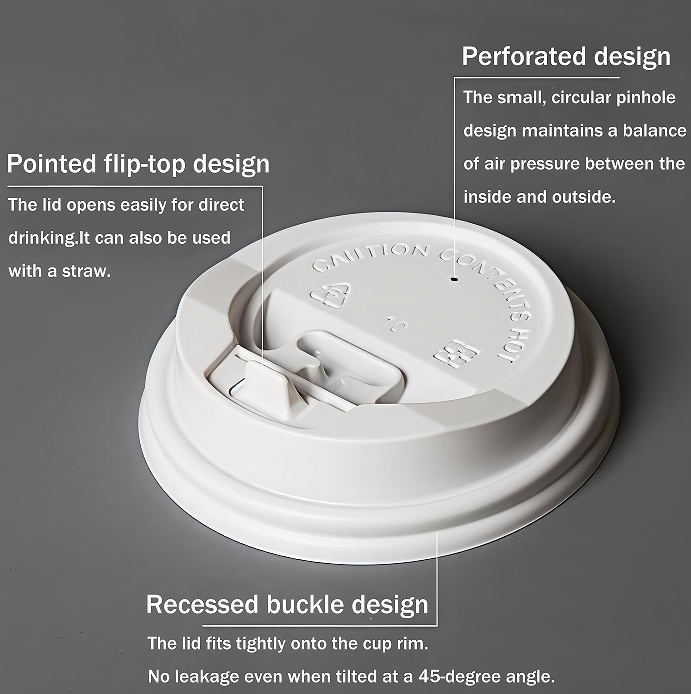
Understanding Spill-Proof Cup Lid Types and Their Operational Fit
Reclosable lids with sliding or hinged mechanisms for on-the-go customers
Cup lids that can be closed again after opening, whether they have sliding tops or flip-open flaps, let people seal their drinks securely after each sip. That makes these lids really good for folks on the go who need to carry their coffee around. According to some industry testing, these kinds of lids cut down on spills during transportation by about three quarters when compared to regular cups without closures. Coffee shops find this beneficial in several ways. During busy morning rushes, baristas can quickly put lids on drinks instead of fumbling with paper wraps. Customers appreciate not having to use both hands to keep their coffee from spilling out while walking to their car or across campus. Plus, drinks stay warm longer too. Most people notice their coffee stays at drinking temperature anywhere from twenty to thirty extra minutes compared to standard cups. The convenience factor remains high since nobody wants to deal with messy spills just to enjoy a hot beverage.
Flat, dome, and sipper cup lid designs: balancing drink control, heat retention, and workflow efficiency
Three core lid architectures serve distinct functional roles in commercial settings:
- Flat lids provide minimalist spill protection for standard hot beverages, with small sip holes and pressure-equalizing vents. Their low profile supports efficient stacking and storage.
- Dome lids offer extra internal volume (15–25% more than flat lids) to accommodate foam or whipped cream toppings—without overflow—while enhancing heat retention. Their elevated shape does require more storage space.
- Sippy-style lids feature raised spouts for precise liquid delivery, cutting accidental spills by 62% during active movement. However, their added structural complexity can slow assembly-line throughput.
Getting the right lid for each drink really matters. Flat lids work best for those quick espresso shots, while domed ones are great for lattes and cappuccinos that need some extra coverage. The sippy style lids? Those are perfect for customers on the go with their cold brews or shakes. Most cups these days stick to a standard size around 90mm across, which makes things much easier when managing stock and keeping operations running smoothly. And don't forget about those little vents in the lids they help keep everything sealed properly so nothing leaks out, plus they stop the plastic from warping when the coffee is shipped long distances.
Key Functional Requirements for Commercial Coffee Shop Use
Leak prevention under real-world conditions: drop-test data and delivery reliability
A good spill proof lid needs to work properly through every step of the process starting when the barista seals it all the way until customers actually handle their drinks and even during those third party deliveries. We've done some standard testing dropping them from about 1.5 meters onto different surfaces and found something interesting. Lids with those built in silicone gaskets leak way less often compared to ones that just rely on friction fit. The difference is pretty significant too around 72% fewer leaks according to our tests. When it comes to delivery situations though there's another challenge. Think about what happens when someone puts a piping hot cup of coffee into a cold car interior. That kind of temperature swing requires special materials that can handle extremes without failing. Polypropylene or PP as it's commonly called has been tested extensively and works well between minus 20 degrees Celsius up to 120 degrees Celsius which means it maintains its seal even when subjected to those harsh conditions.
Safety, reseal durability, and compatibility with toppings and specialty beverages
Commercial lids need to do more than just prevent leaks. They have to pass those important food safety standards set by the FDA under 21 CFR regulations, plus hold up after being used over and over again. The best ones come with high quality silicone seals that keep working even after hundreds of openings and closings. Think about how often people actually take their coffee cups off and on throughout the day. Dome shaped lids are great at keeping that precious foam layer intact when someone takes a sip, so no squishing happens to the whipped cream topping. And those little holes cut with lasers? They make all the difference for thicker drinks like caramel macchiatos or matcha lattes. The size and shape control how the drink flows out, giving customers consistent sips every time they take a drink.
Material Compatibility, Seal Engineering, and Cup Lid Fit Standards
Matching cup lid material (PP, PLA, PET) and diameter (e.g., 90mm) to cup type and sustainability goals
Choosing materials affects how products perform as well as their impact on the environment. Polypropylene, or PP for short, has become the go-to choice when companies need something tough enough to handle large production runs without breaking the bank. Then there's PLA, which claims to be compostable, but only works if sent to special industrial composting plants. That makes it practical mainly for companies that already have agreements with such facilities. PET plastic gives drinks containers that clear, glass-like appearance and holds shape really well for cold drinks, although most regular recycling centers still struggle with processing it effectively. Getting cup diameters right matters a lot too. Standard cups need to fit exactly 90mm to prevent leaks from misalignment between parts. According to research published last year in Packaging Digest, getting these measurements correct cuts down spills by around 34 percent and helps move the needle on waste reduction goals for manufacturers.
Seal technologies—silicone gaskets, one-way valves, and venting—validated for ASTM D4169 shipping resilience
Good sealing isn't just about closing something shut it needs proper engineering that stands up to what happens in actual distribution scenarios. Take silicone gaskets for instance they form tight barriers against steam from hot drinks. Then there are those one way valves that stop liquid from flowing back when containers get shaken around during transport. And let's not forget about the vents that help maintain balance inside so lids don't warp or pop off unexpectedly. When manufacturers test their designs against ASTM D4169 standards which basically simulate all sorts of rough handling throughout shipping networks this makes a big difference. Real world data shows coffee shops using these properly validated lids see about 28 percent fewer issues with leaks or broken seals from customers. That kind of reliability builds customer confidence and keeps operations running smoothly even when things get hectic.


